Agent & Team Lead Cockpit
— INDUSTRY
Business Services/Workforce Management
— TYPE
UX Research
UI Design
— ROLE
UX Researcher
— DURATION & YEAR
9 weeks, 2020
— TEAM
UI Designers
Product Owner
Delivery Leads
Dev Engineers
PROJECT OBJECTIVE
The goal was to design a unified portal for both Agents and Team Leads that offers seamless access to the information and actions they need through a clean and simplified interface.
THE CHALLENGE
Critical information and tasks were spread across multiple touch points, leading to a disjointed user experience. This not only created confusion and inconsistency but also made daily workflows highly manual and inefficient.
Research Plan
As the UX Researcher on this project, I was responsible for driving the research strategy and ensuring user insights informed key design decisions. Following the initial requirement gathering phase, and in alignment with internal discussions, we defined a research approach that included conducting Qualitative research using the following methodologies:
1. Conducted User Interviews at the start of the project to uncover needs, pain points, and behaviours
2. Developed User Personas derived from the insights gathered during the interviews
3. Designed Mid-Fidelity Wireframes to visualise early concepts and validate our understanding with key stakeholders.
4. Performed moderated Usability Testing on our initial wireframes, as well as on our final UI design towards the end to assess and refine the overall user experience.
Method 1: User Interviews
A user interview plan was created and shared with stakeholders for alignment and approval. Following this, stakeholders provided a list of suitable participants along with their shift timings, enabling us to effectively schedule and coordinate the interviews.
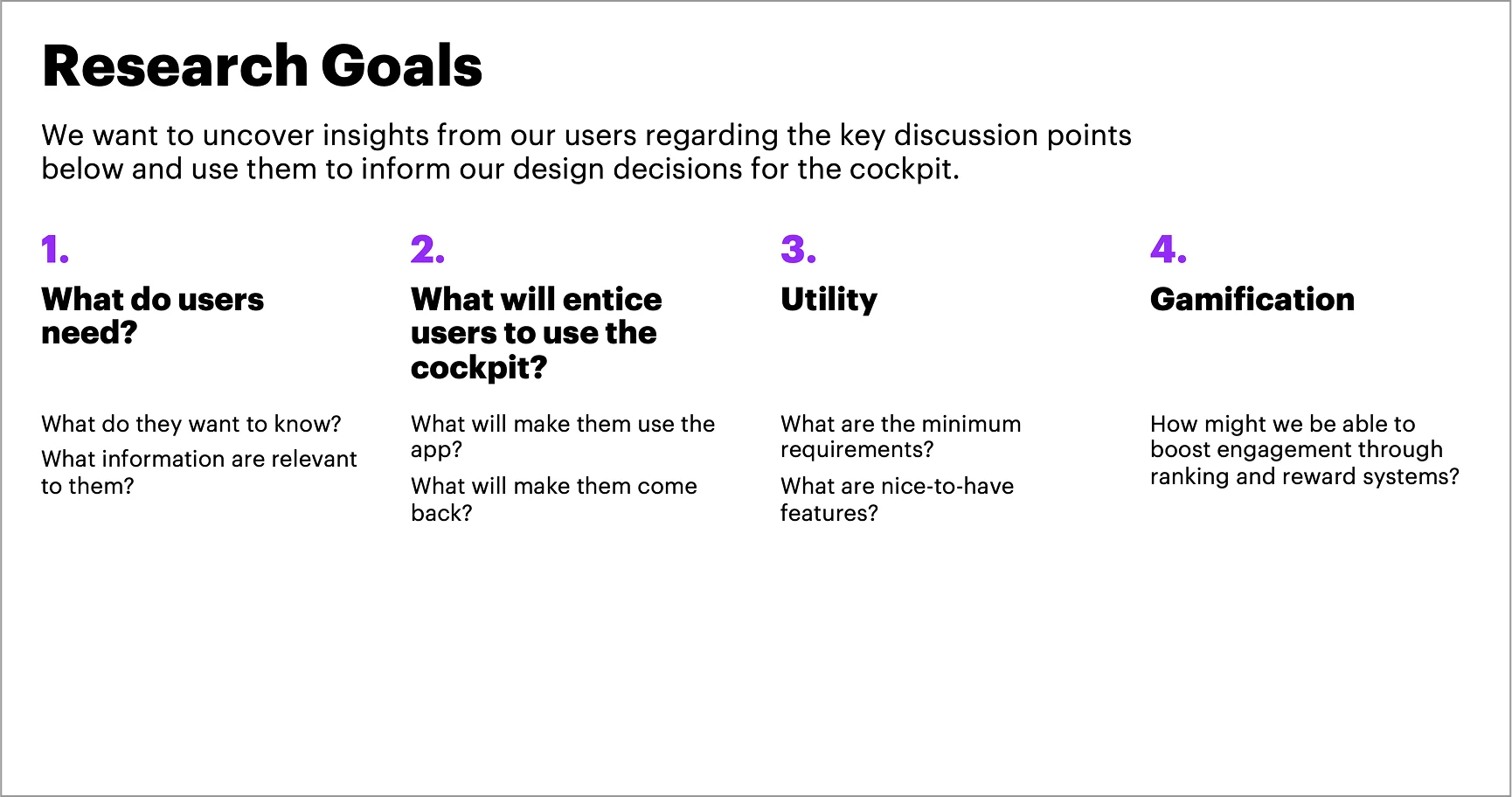
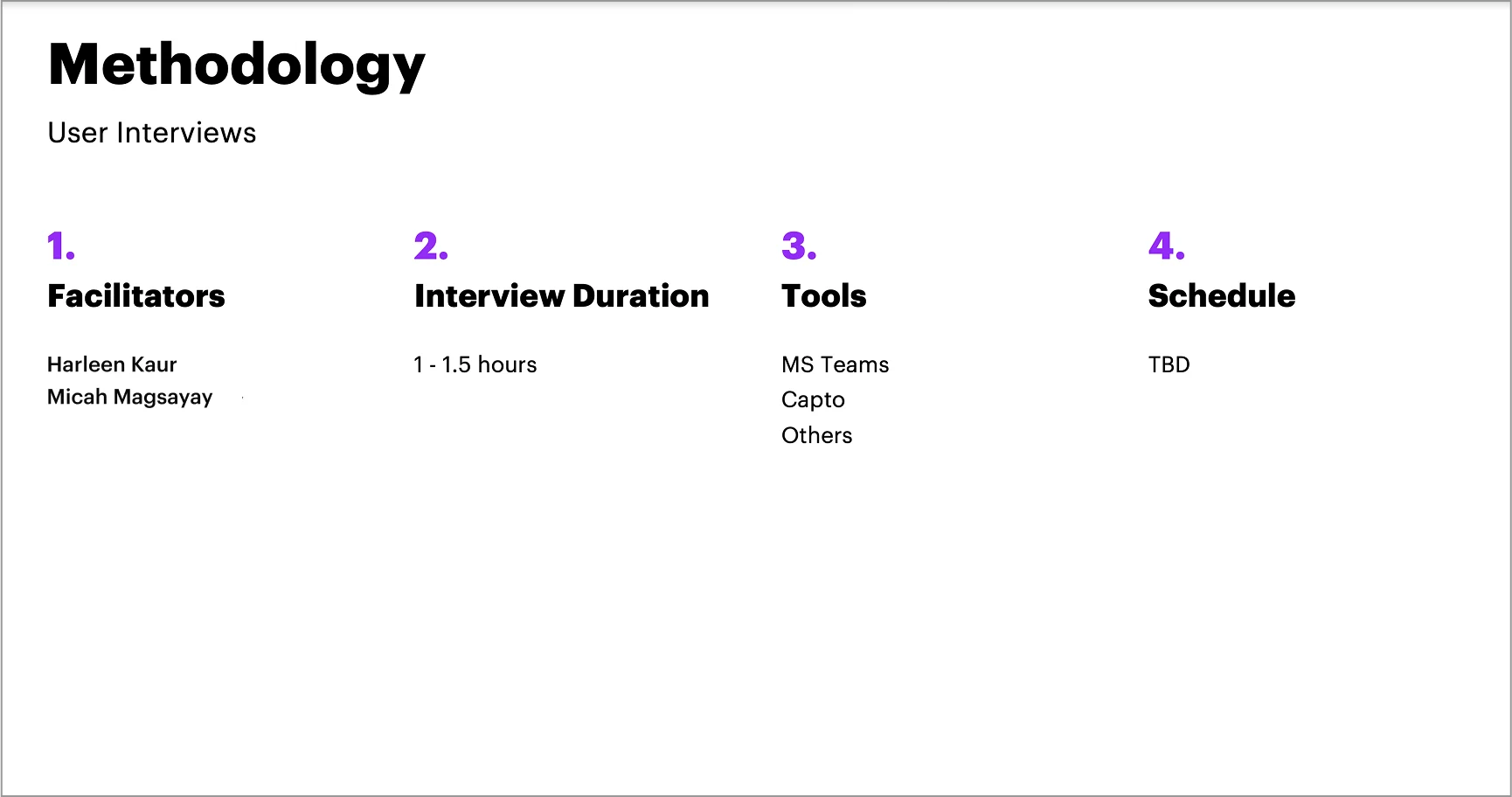
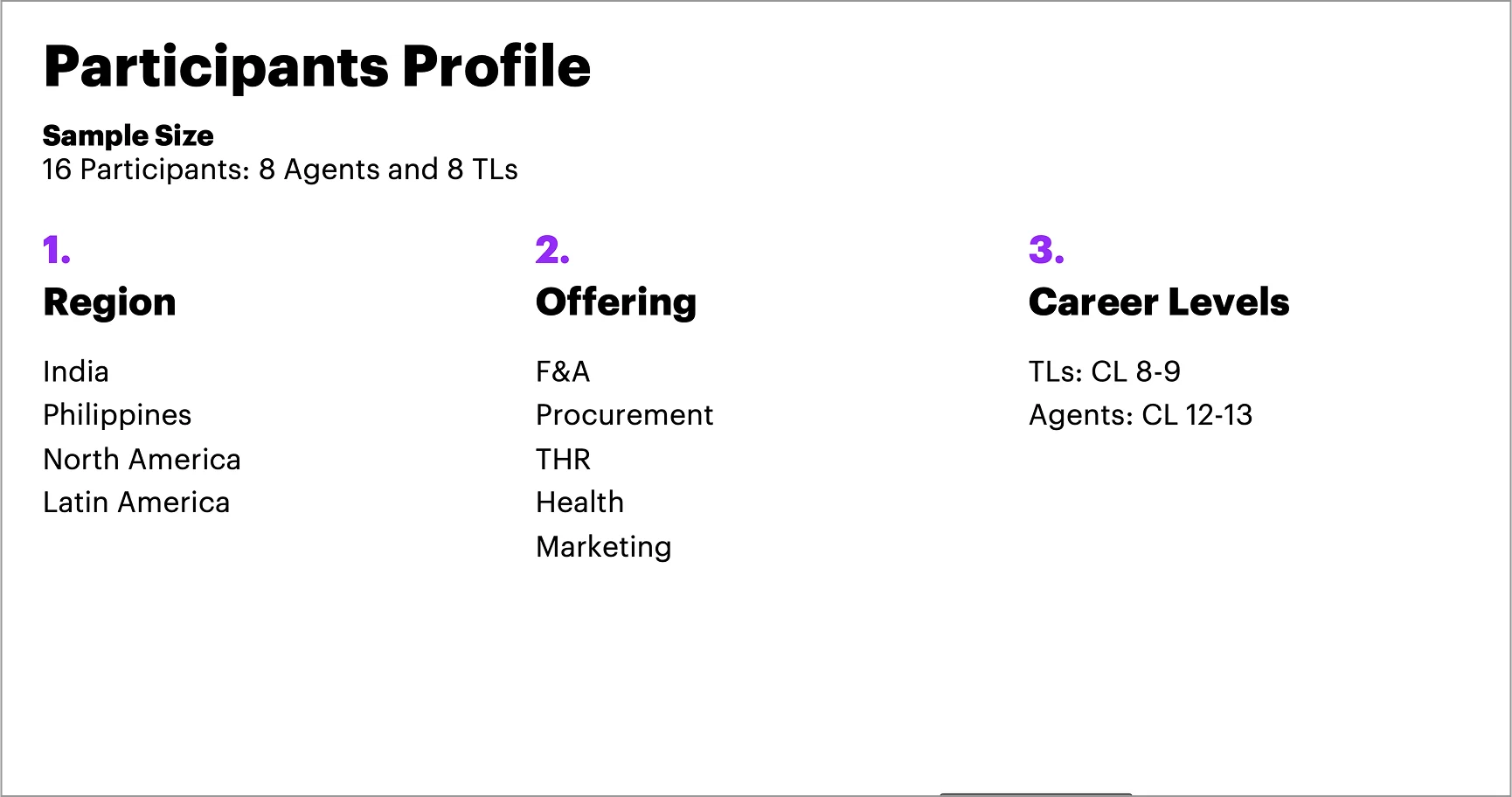
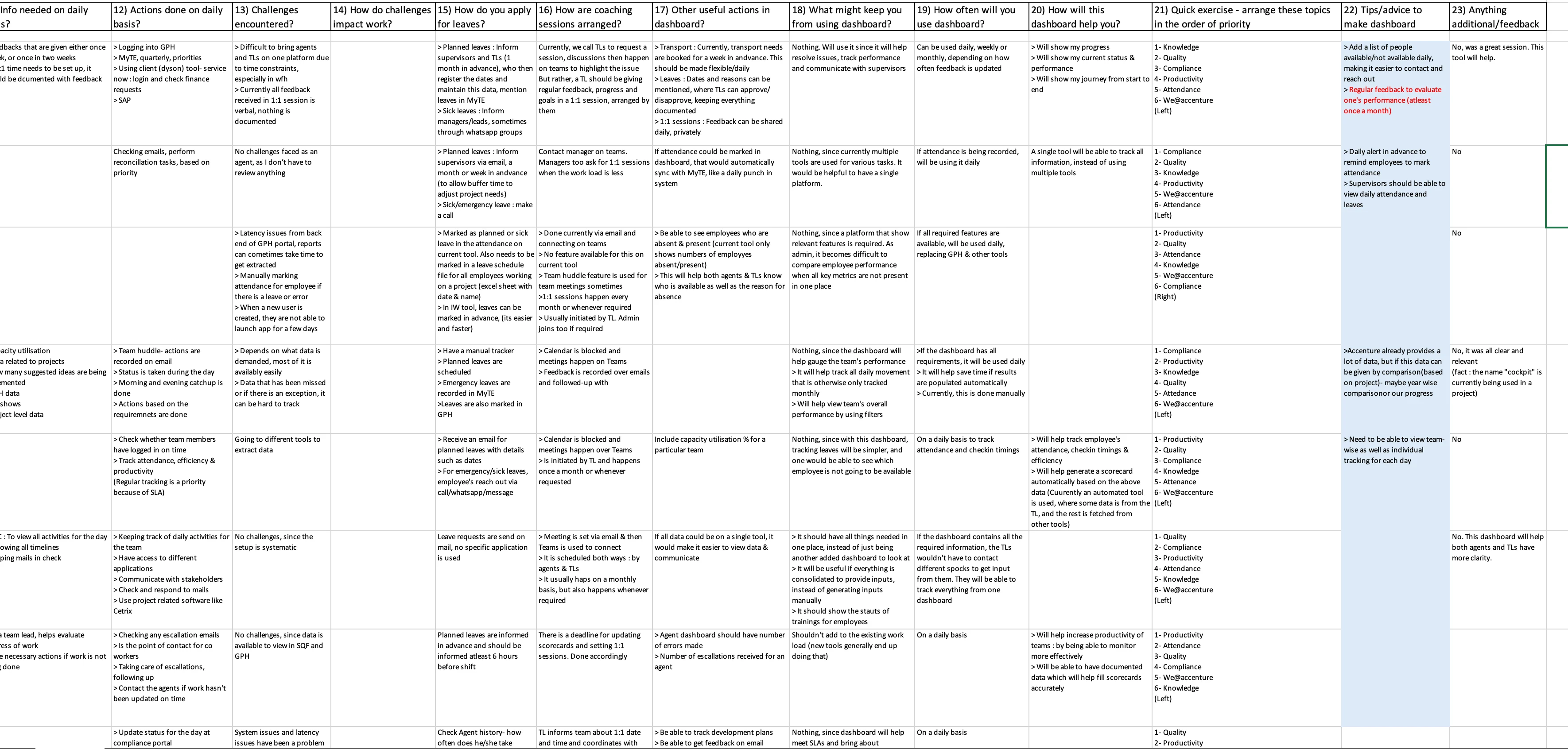
Questionnaire and Interview notes
A structured interview questionnaire was prepared to guide the sessions and ensure consistency across participants. The interviews were conducted individually, with my research partner and I alternating between the roles of facilitator and note-taker to ensure accurate documentation.
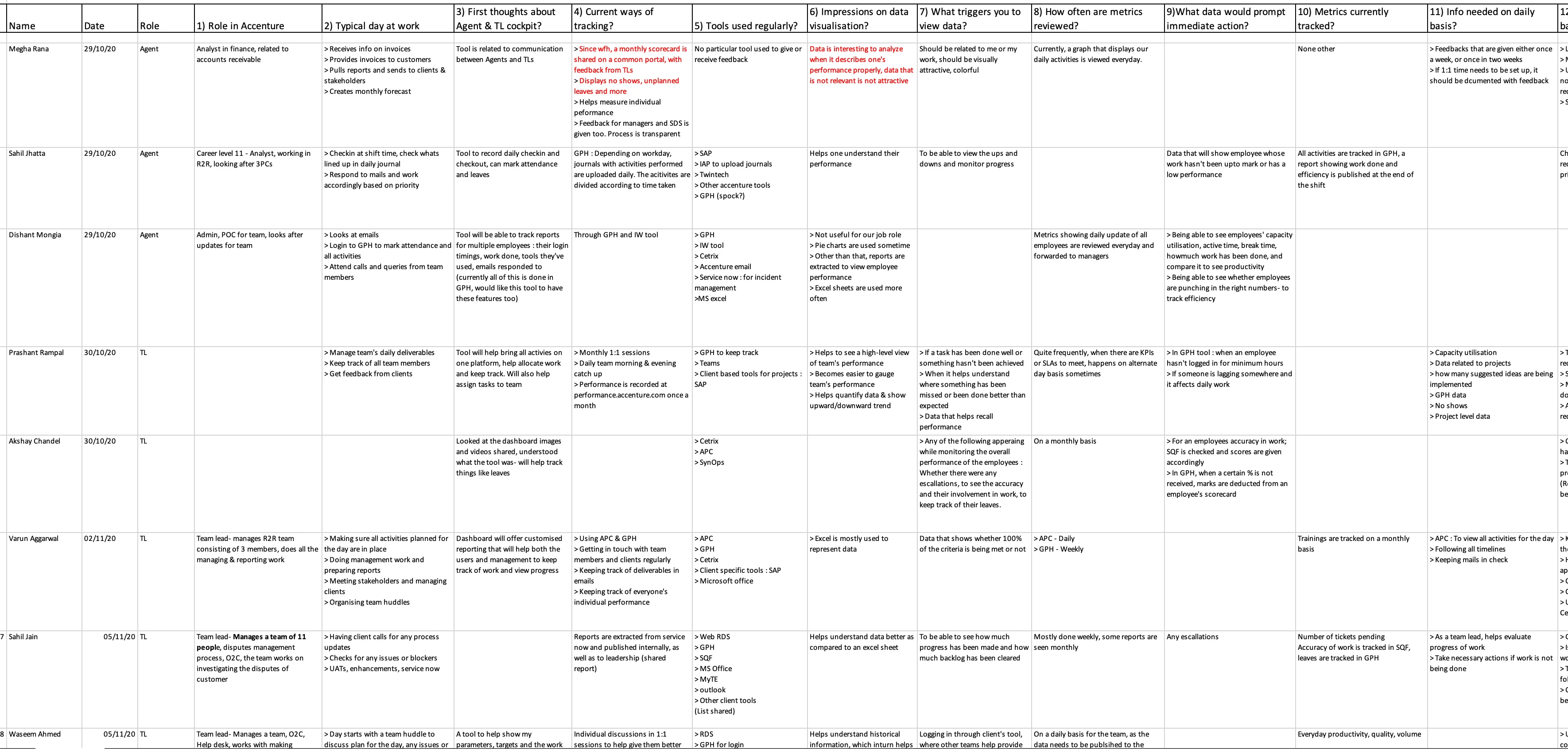
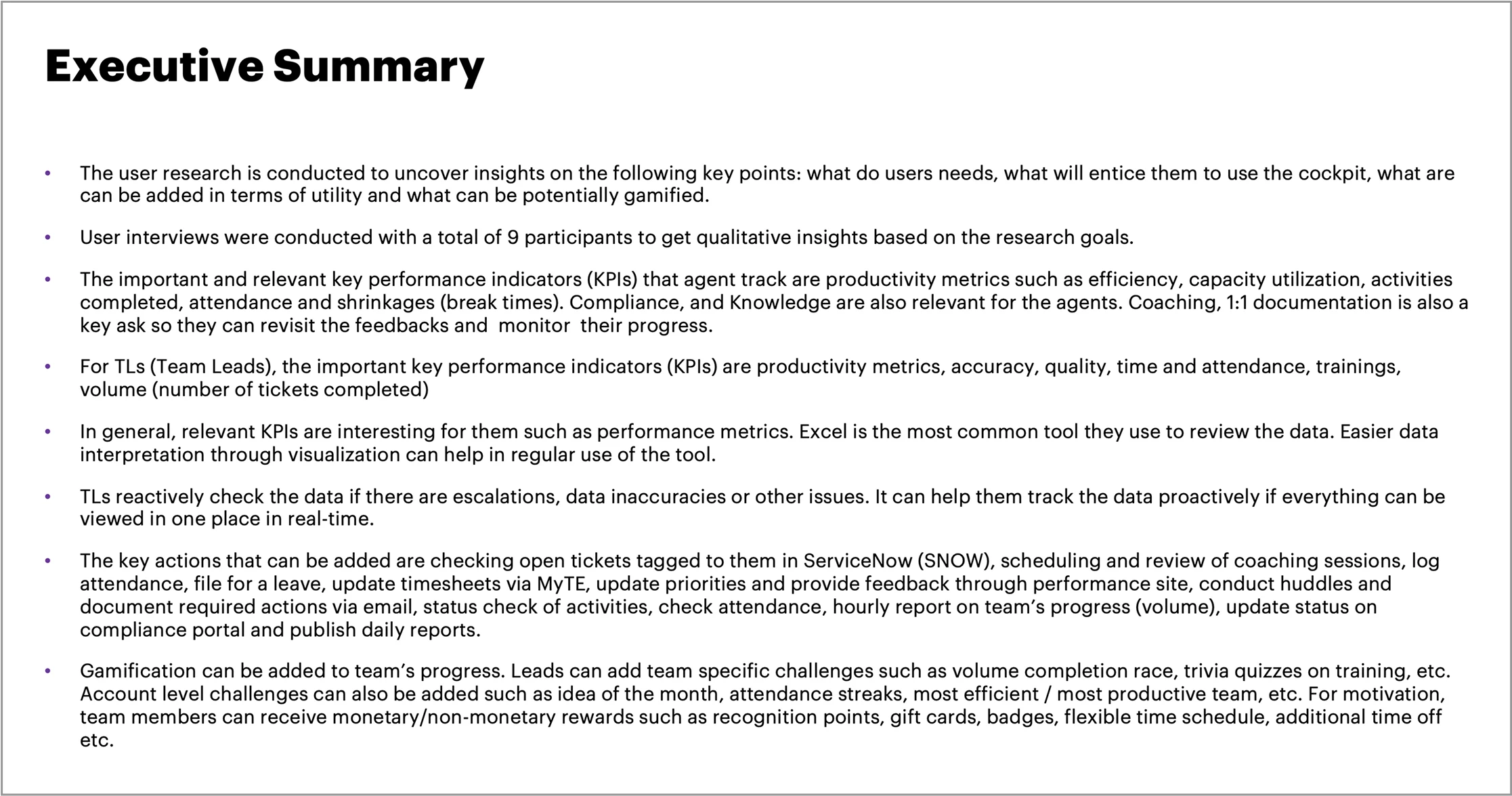
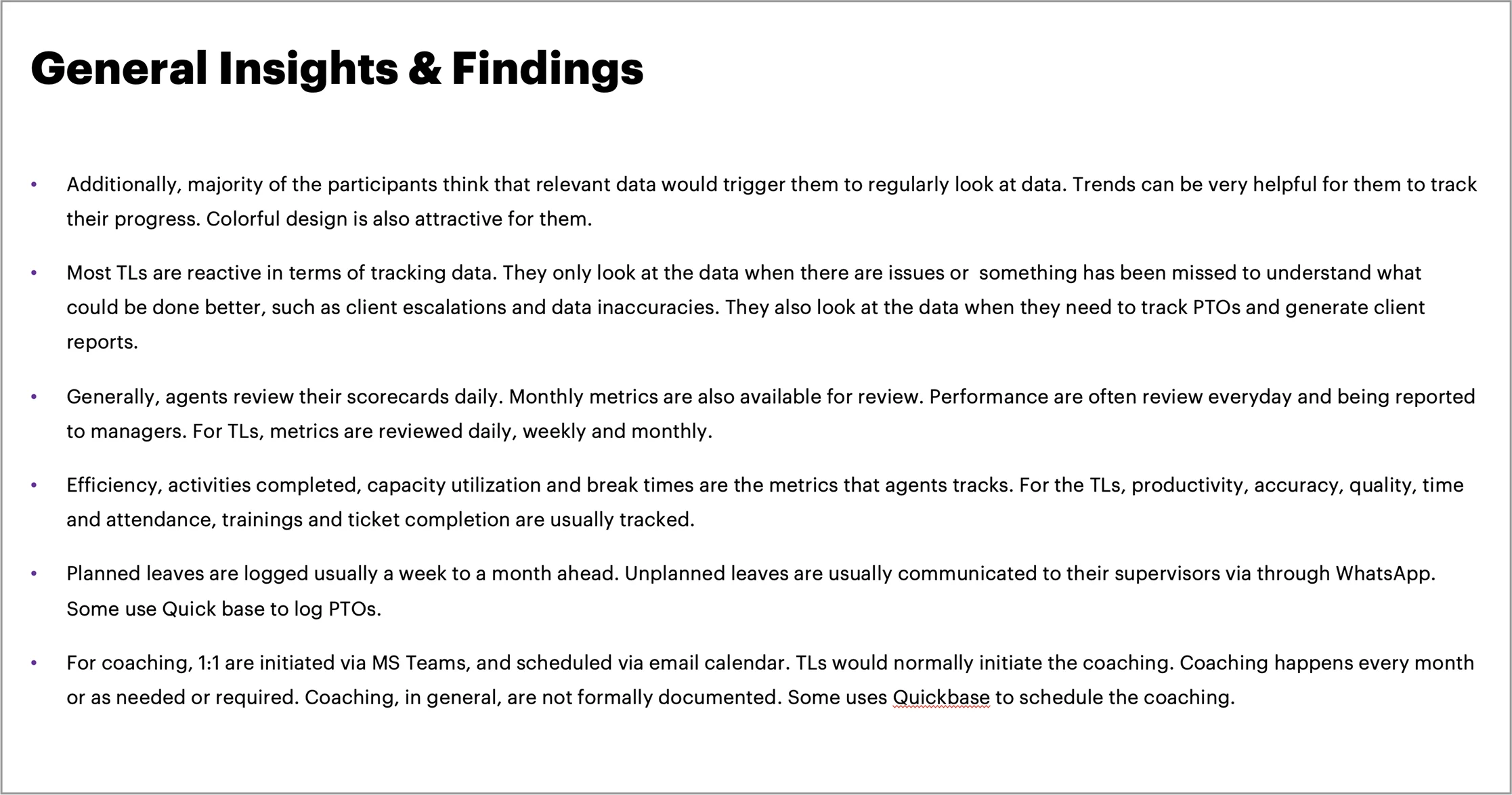
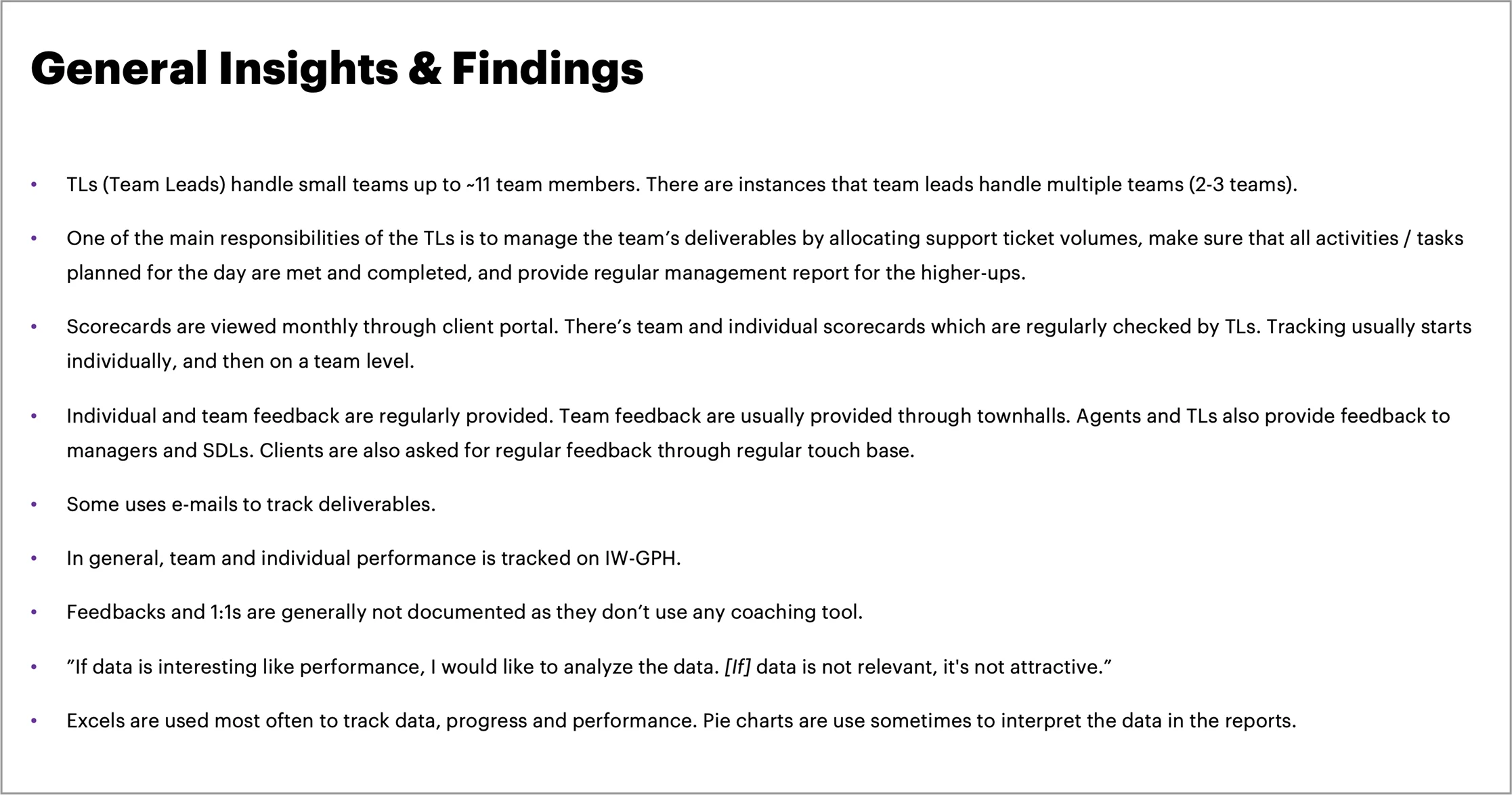
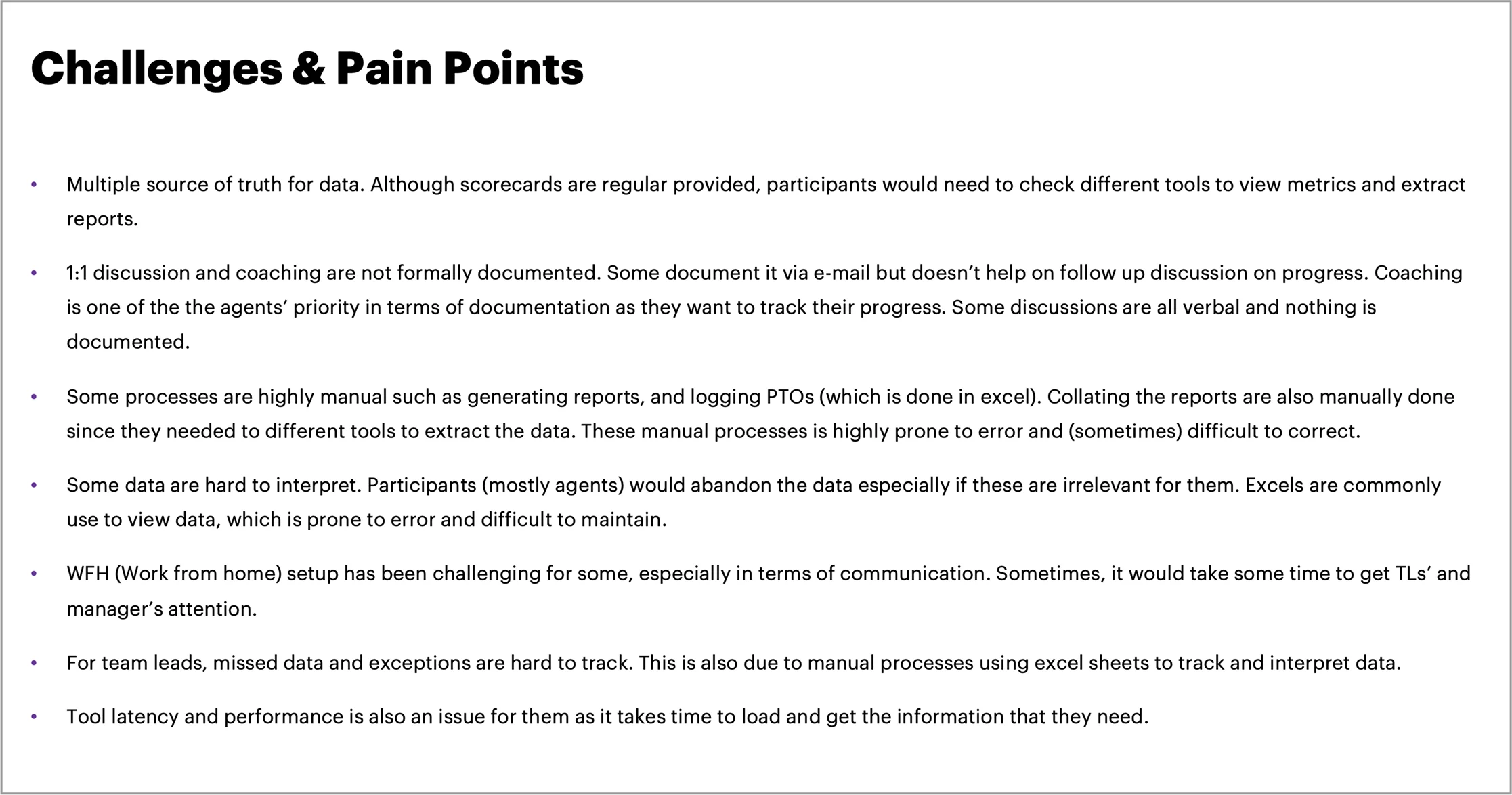
User Interview Insights Summary
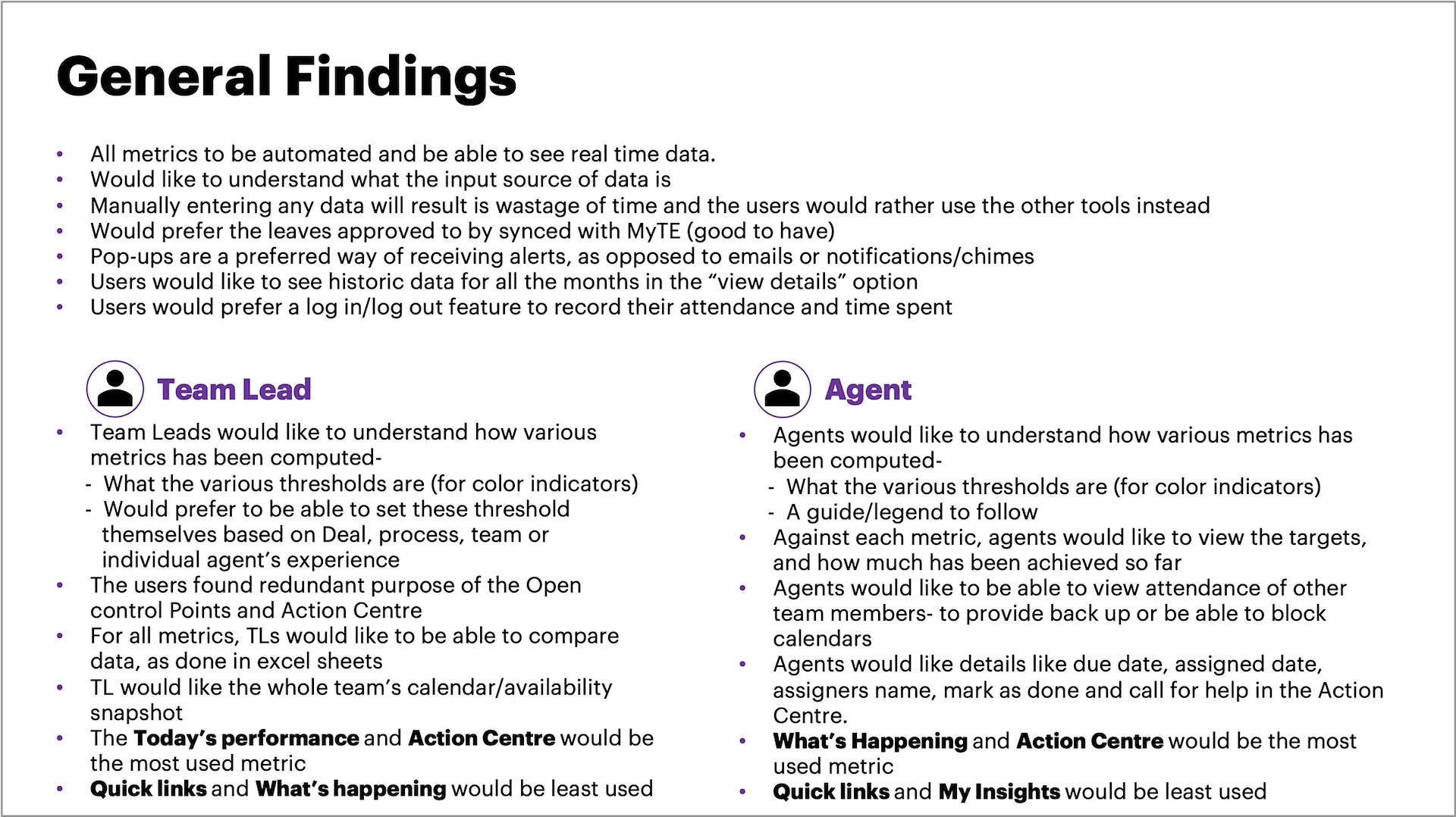
Following the user interviews, we compiled a concise insights report to summarise key findings and present them to stakeholders for alignment
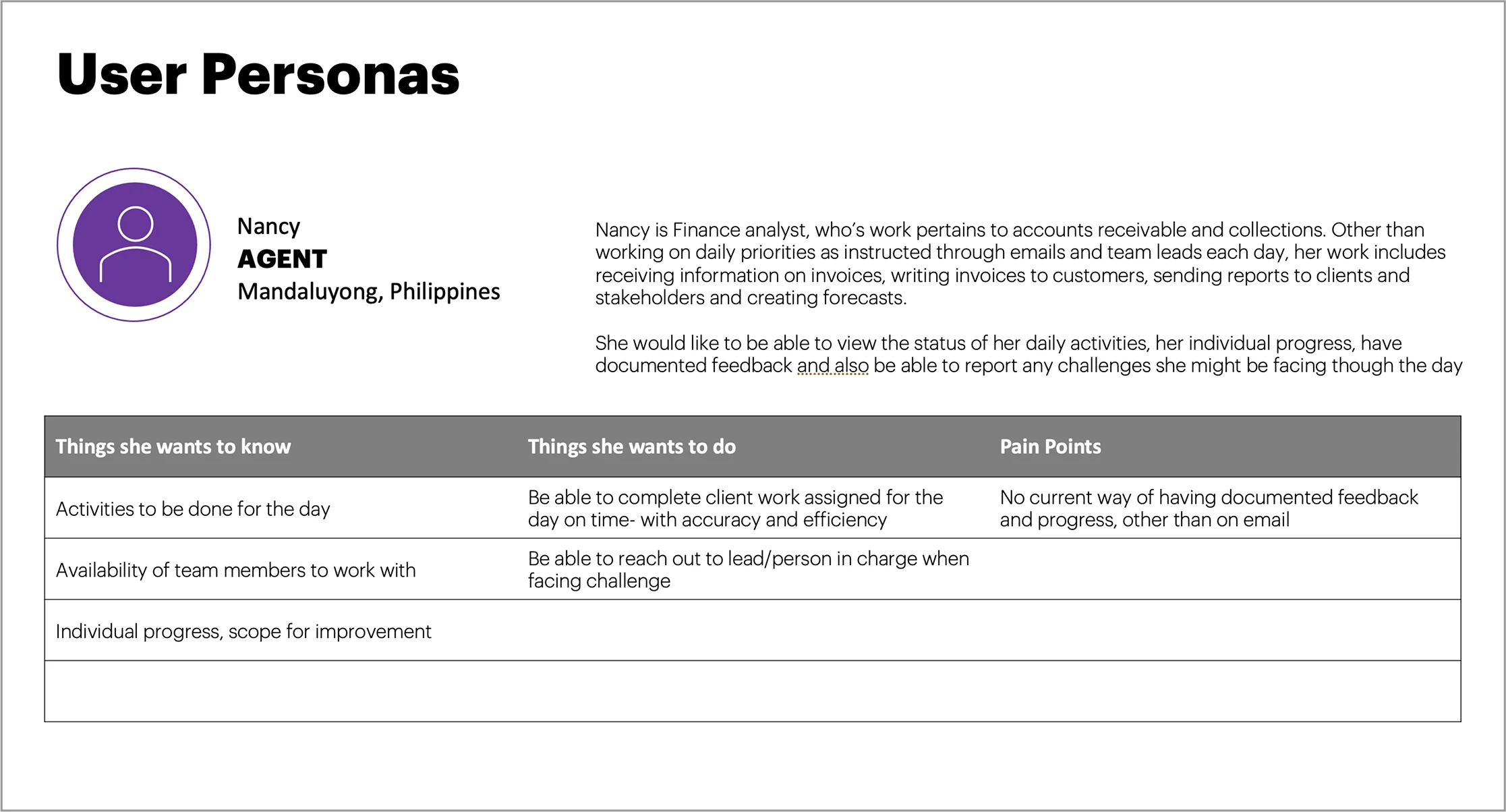
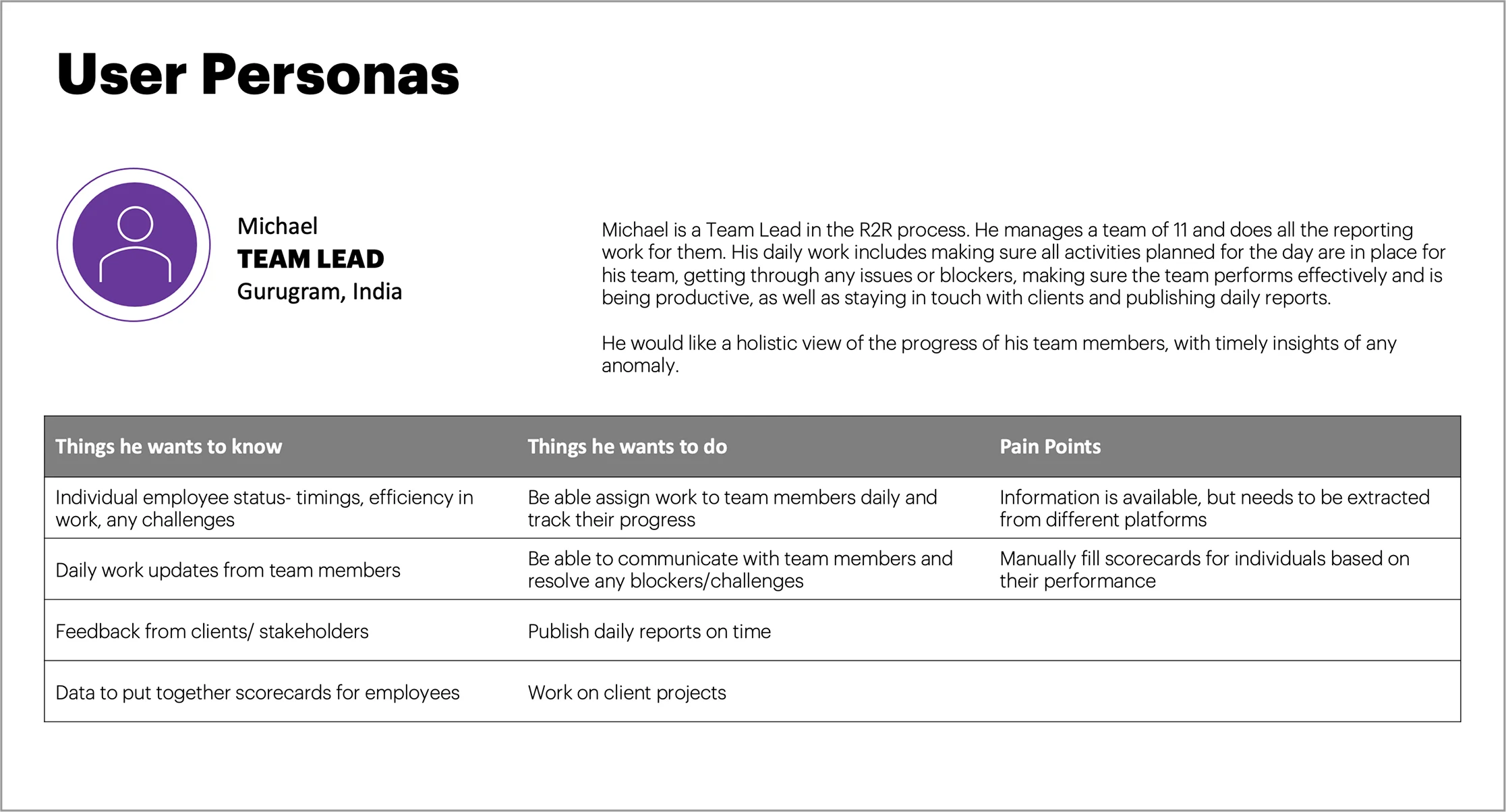
Method 2: User Personas
Next, we created user personas for both user groups based on what we learned from the interviews. These helped us understand their goals, needs, and challenges, and guided our design decisions.
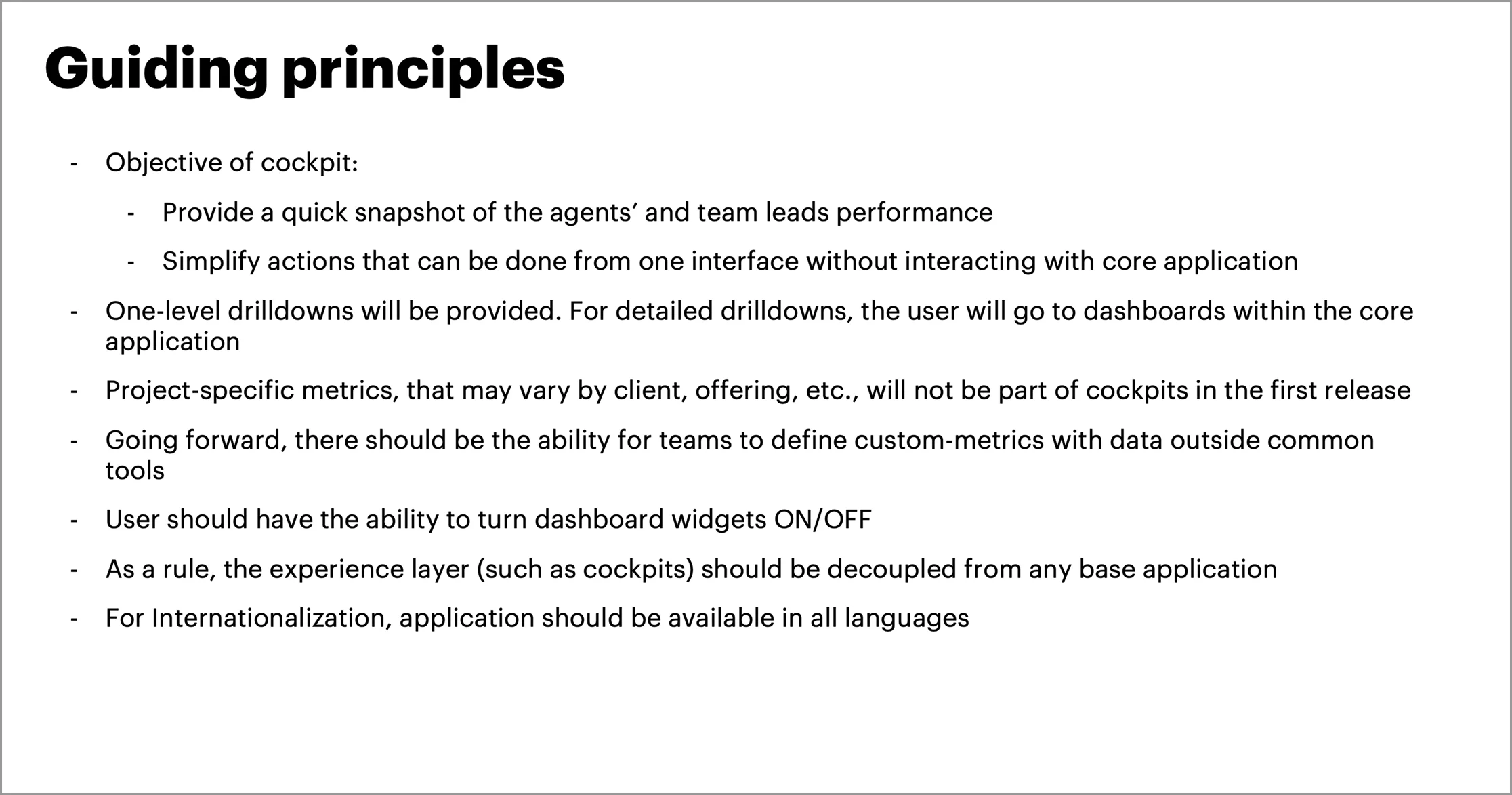
Method 3: Mid-fi Wireframes
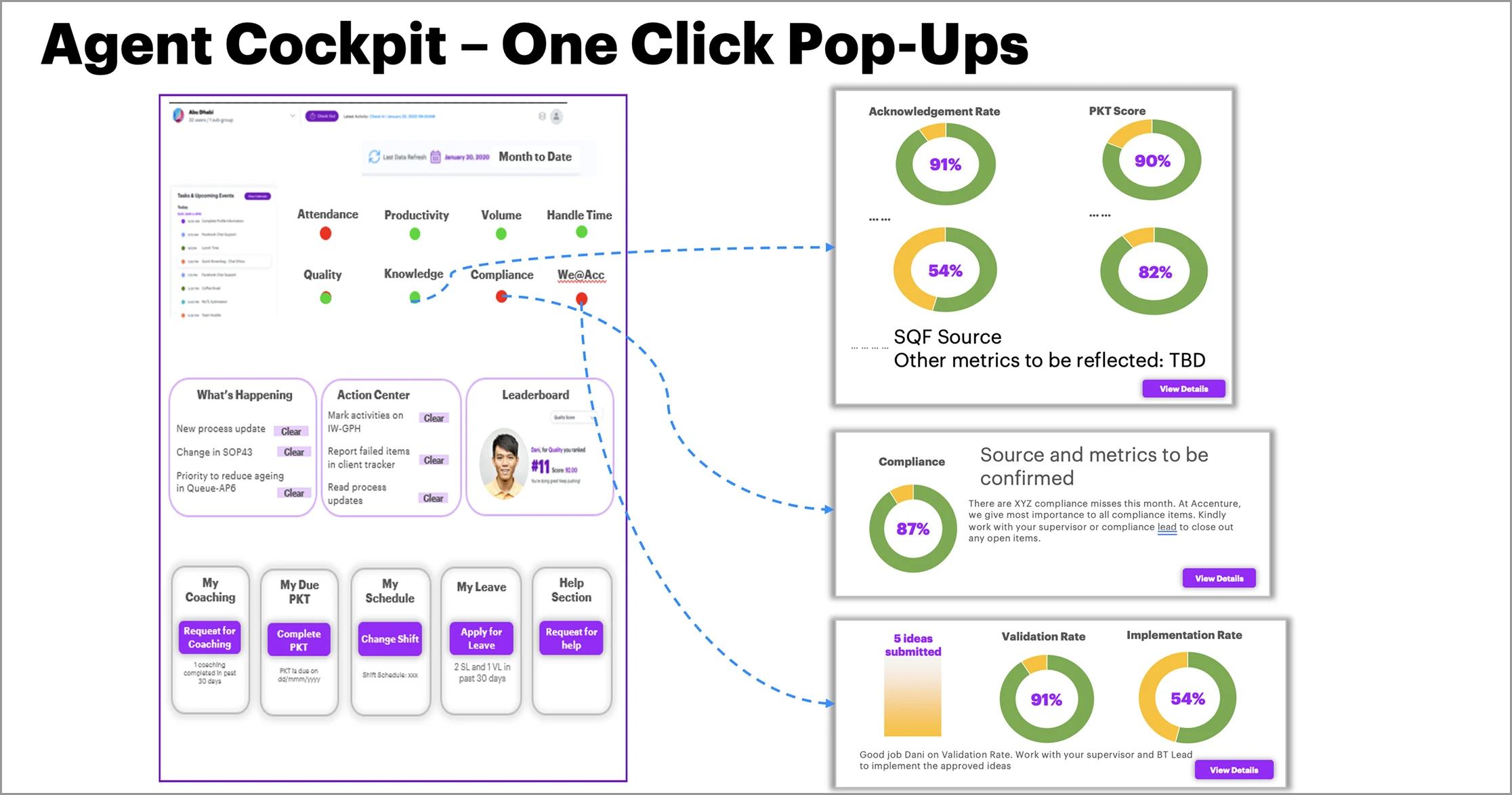
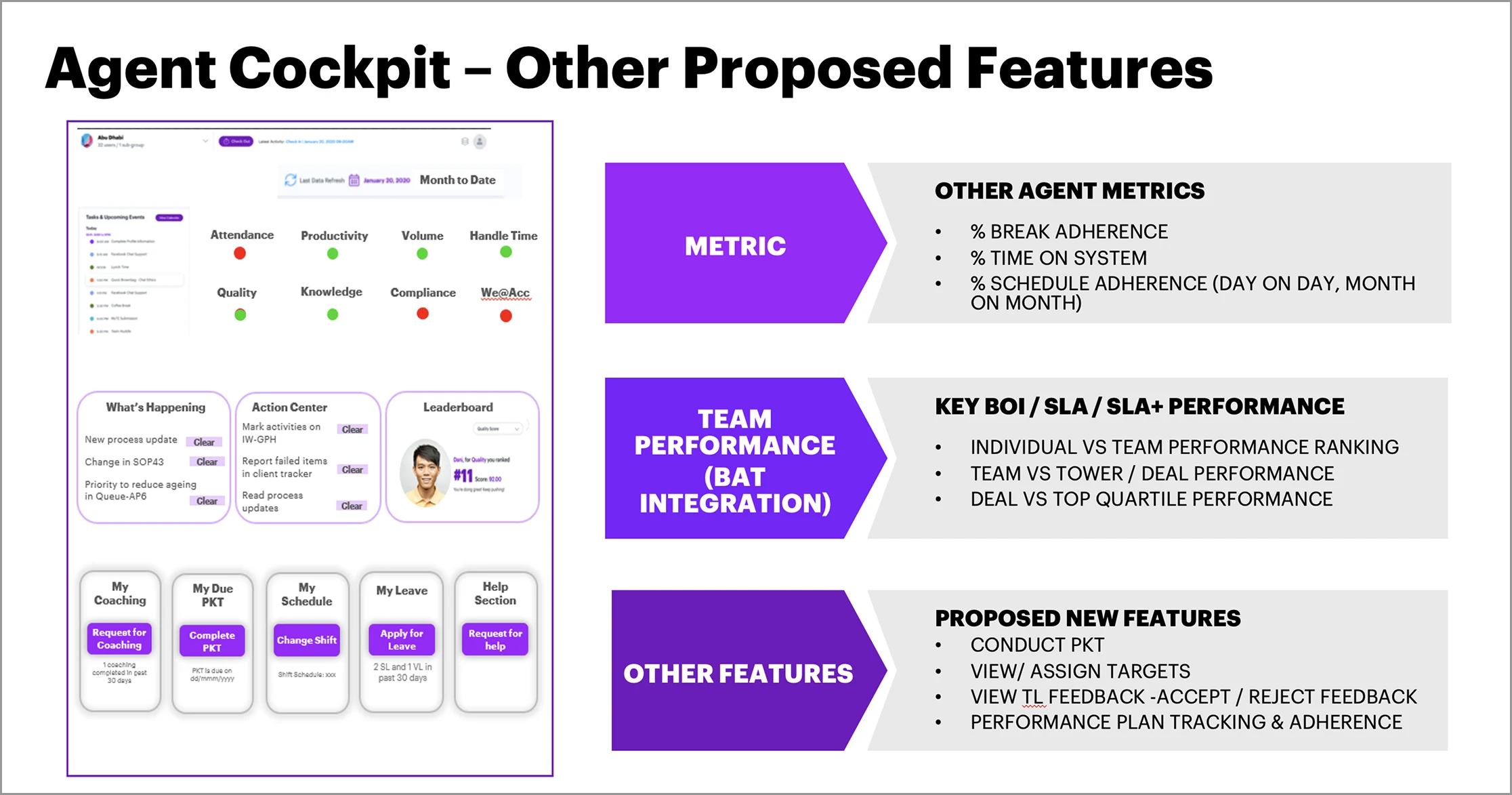
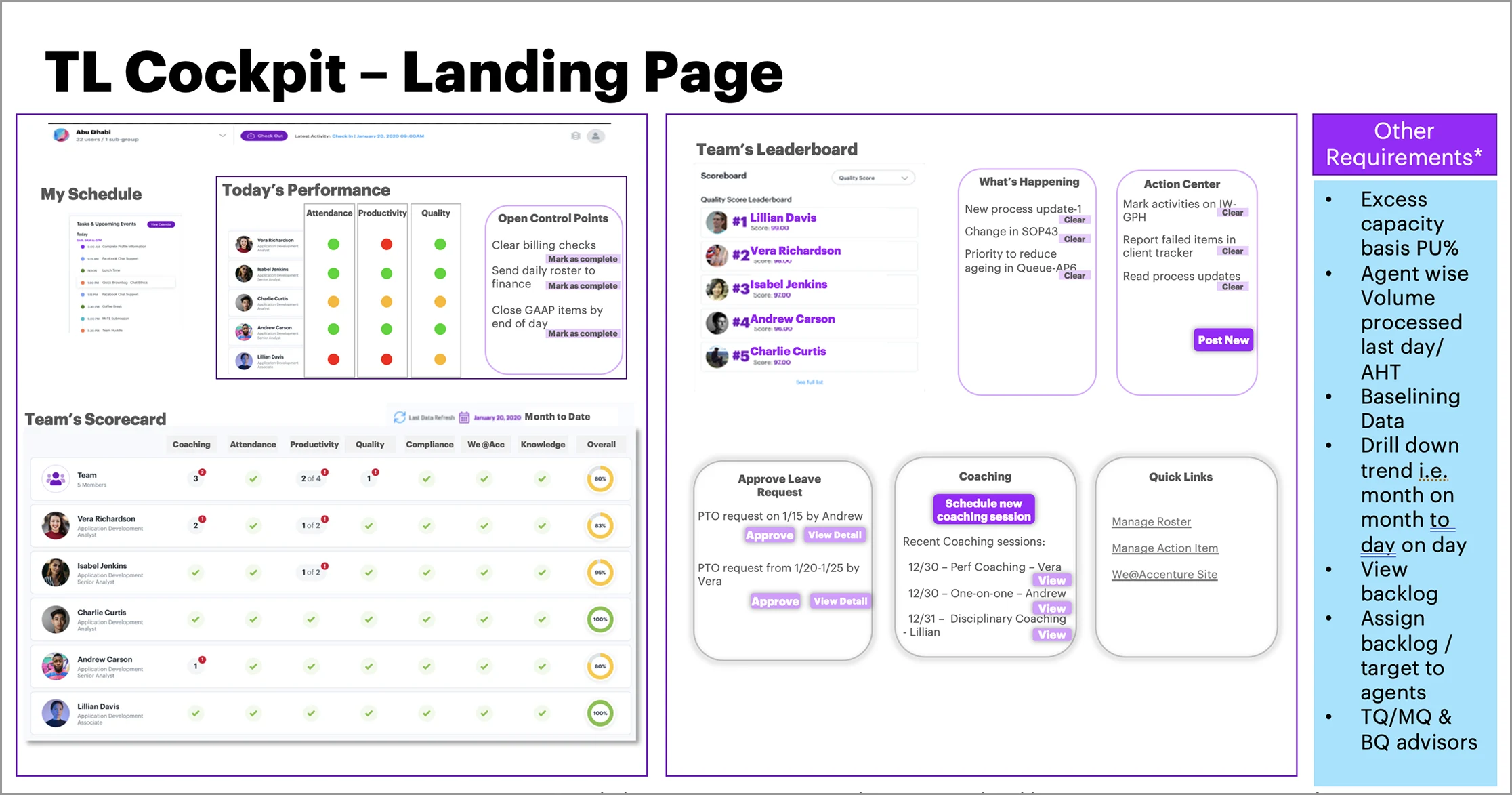
Our next step was to create mid-fidelity wireframes that represented key scenarios uncovered during the user interviews. The goal was to validate our understanding with stakeholders before moving forward with the final UI designs.
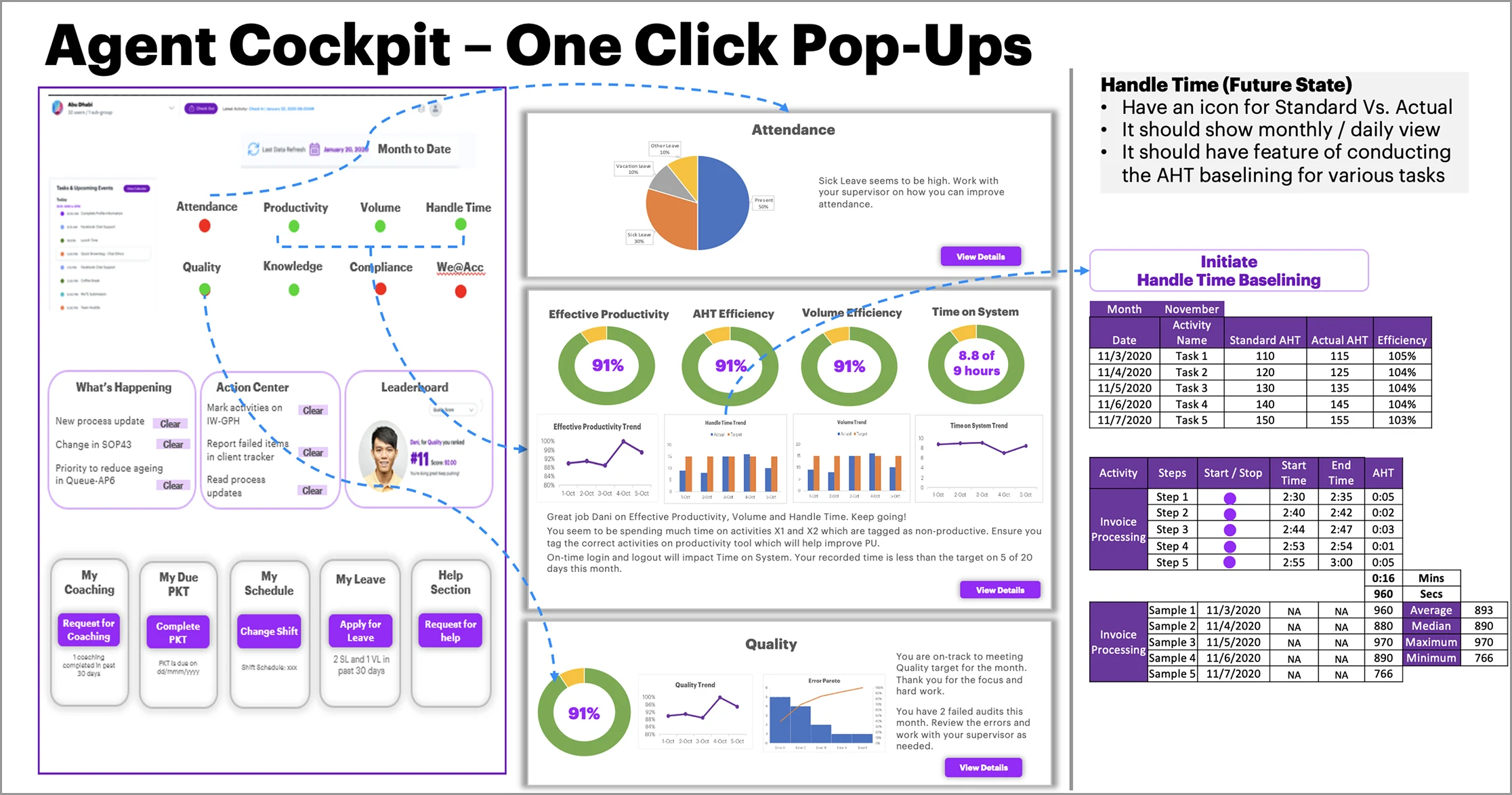
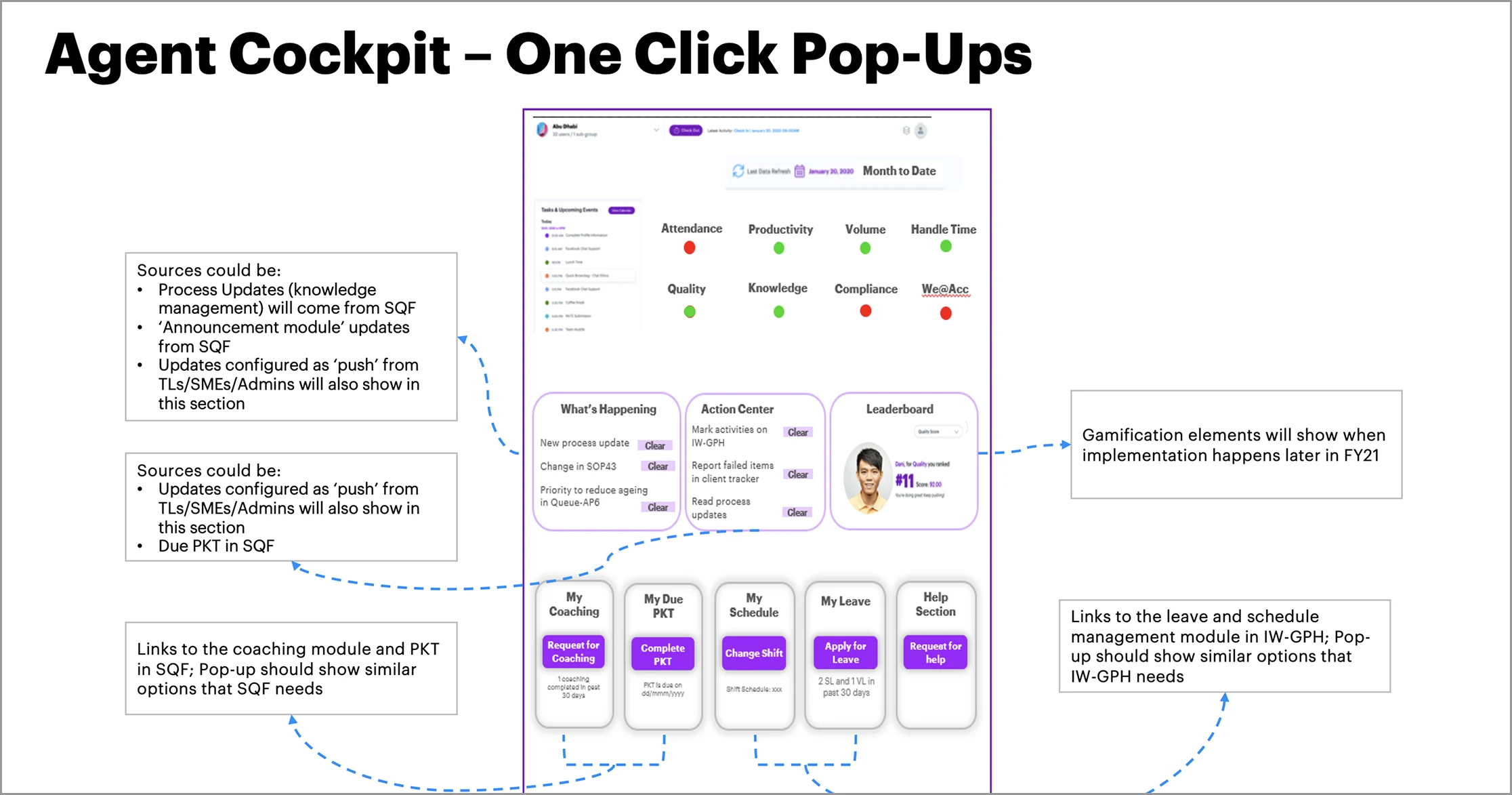
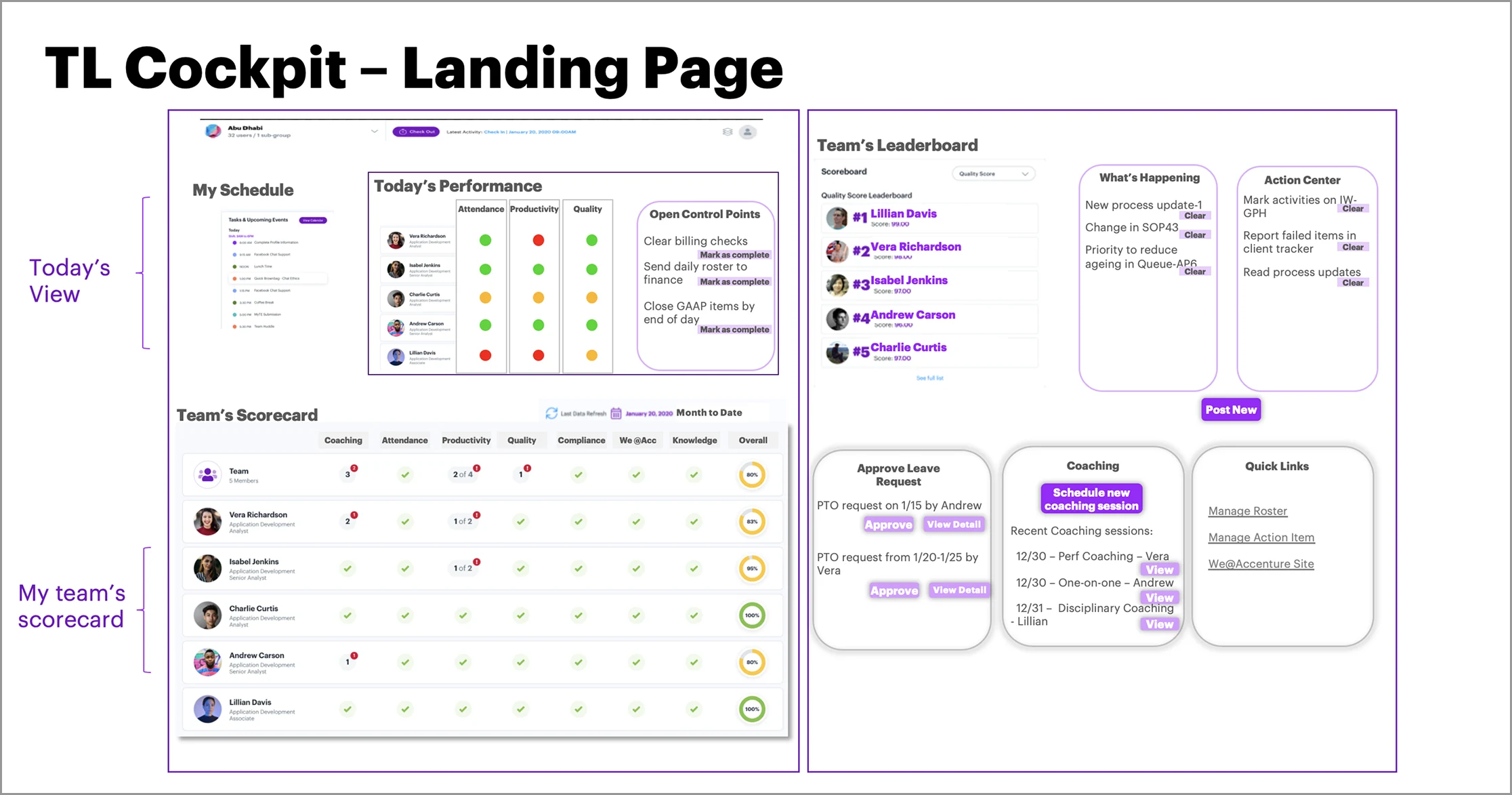
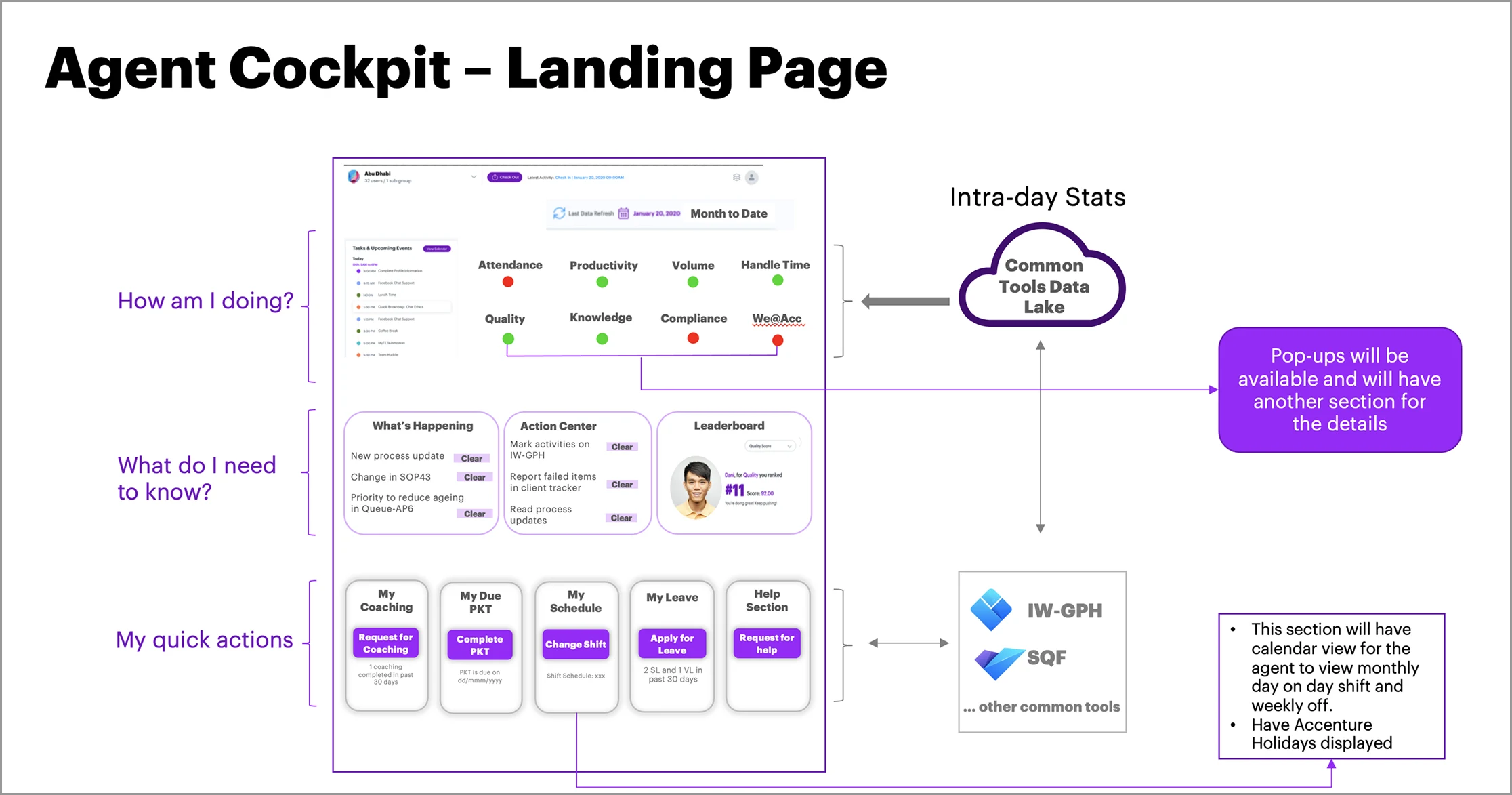
Method 4: Usability Testing
We shared the wireframes with a few participants and conducted an informal think-aloud session, where users were encouraged to explore the pages and verbalise their thoughts as they navigated through them. While this was not a formal usability test with predefined tasks, it provided valuable feedback on the overall flow and usability. Insights gathered during these sessions were used to refine the wireframes, which were then presented to stakeholders for further feedback and alignment.
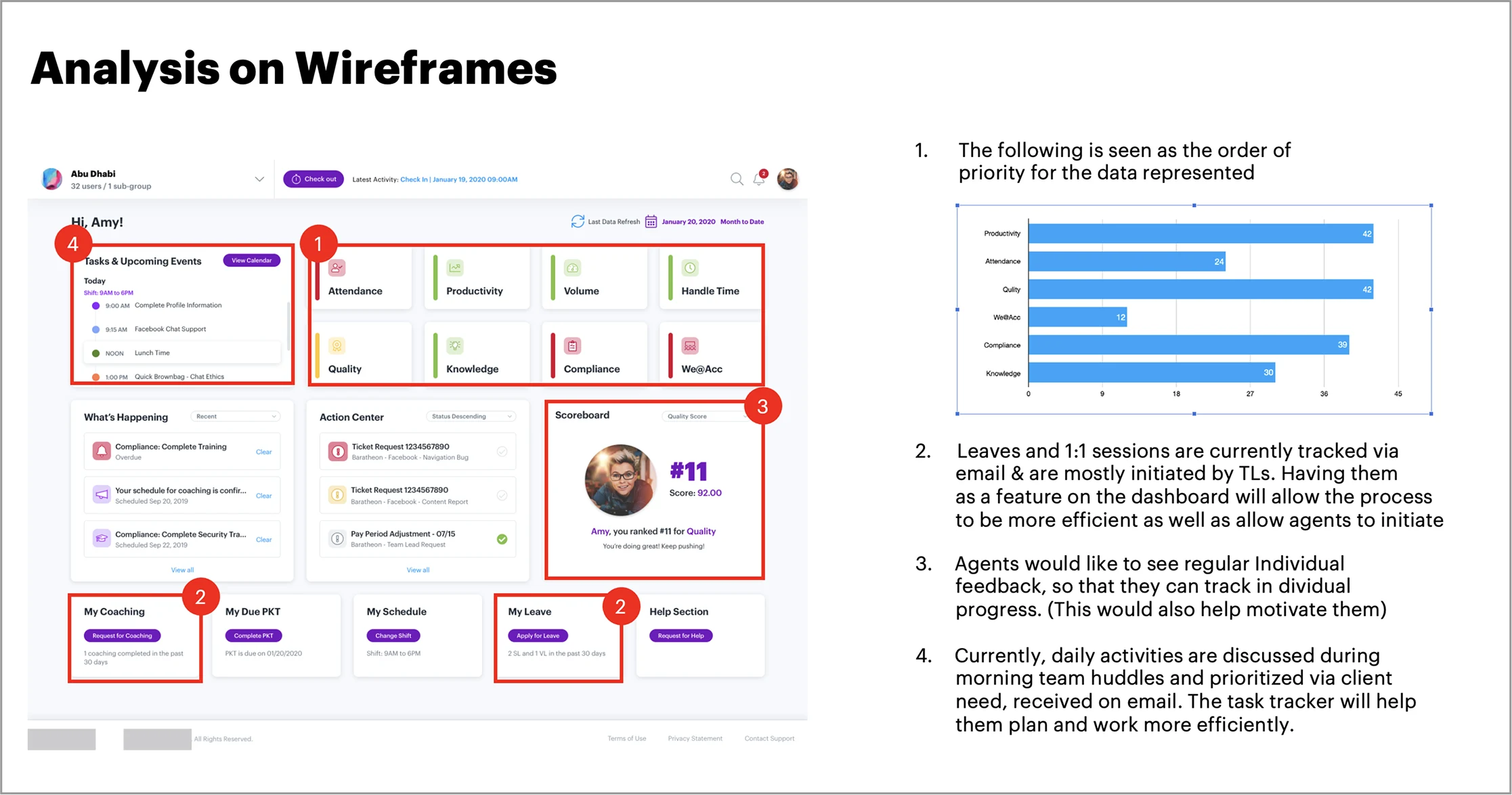
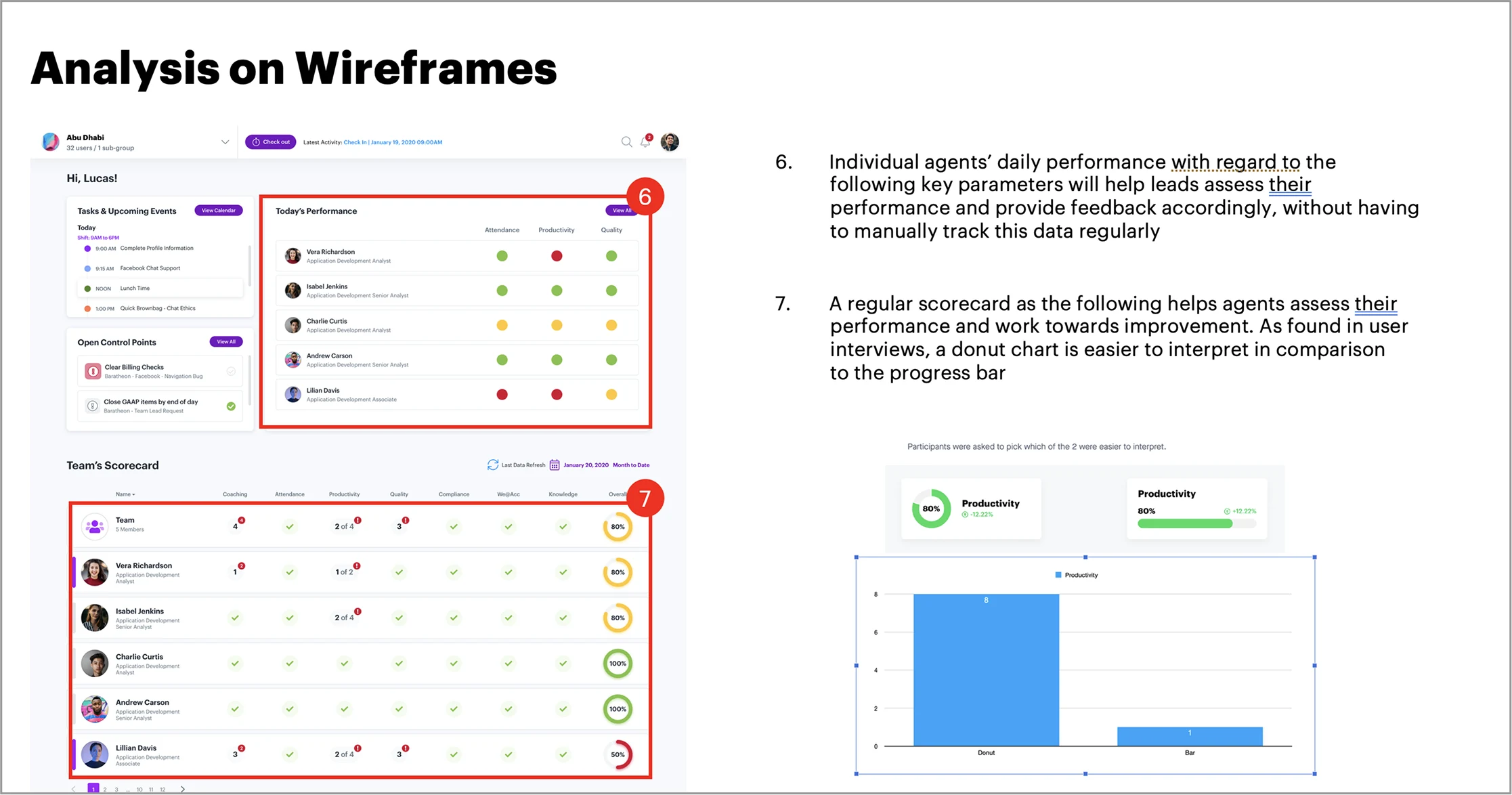
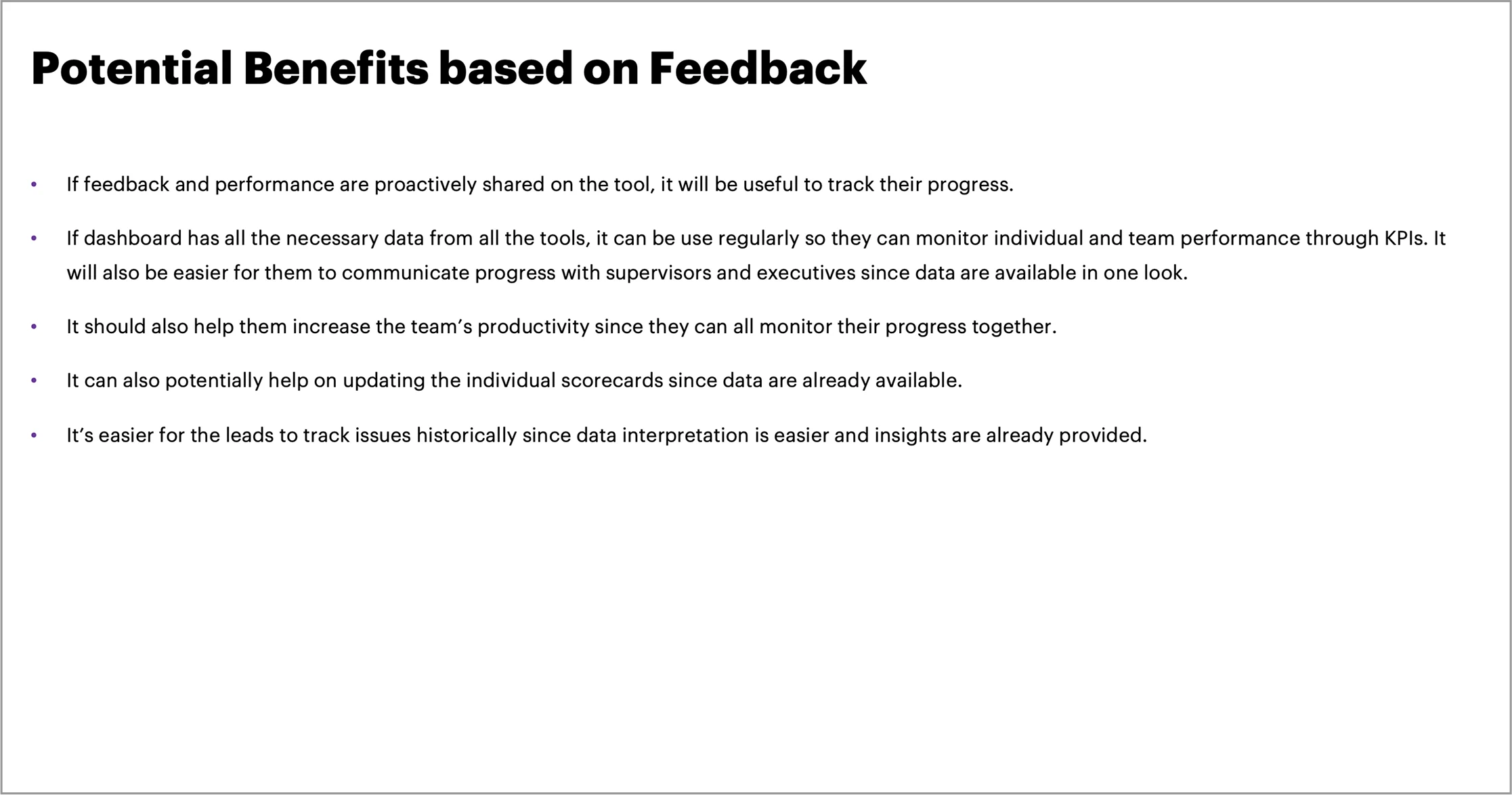
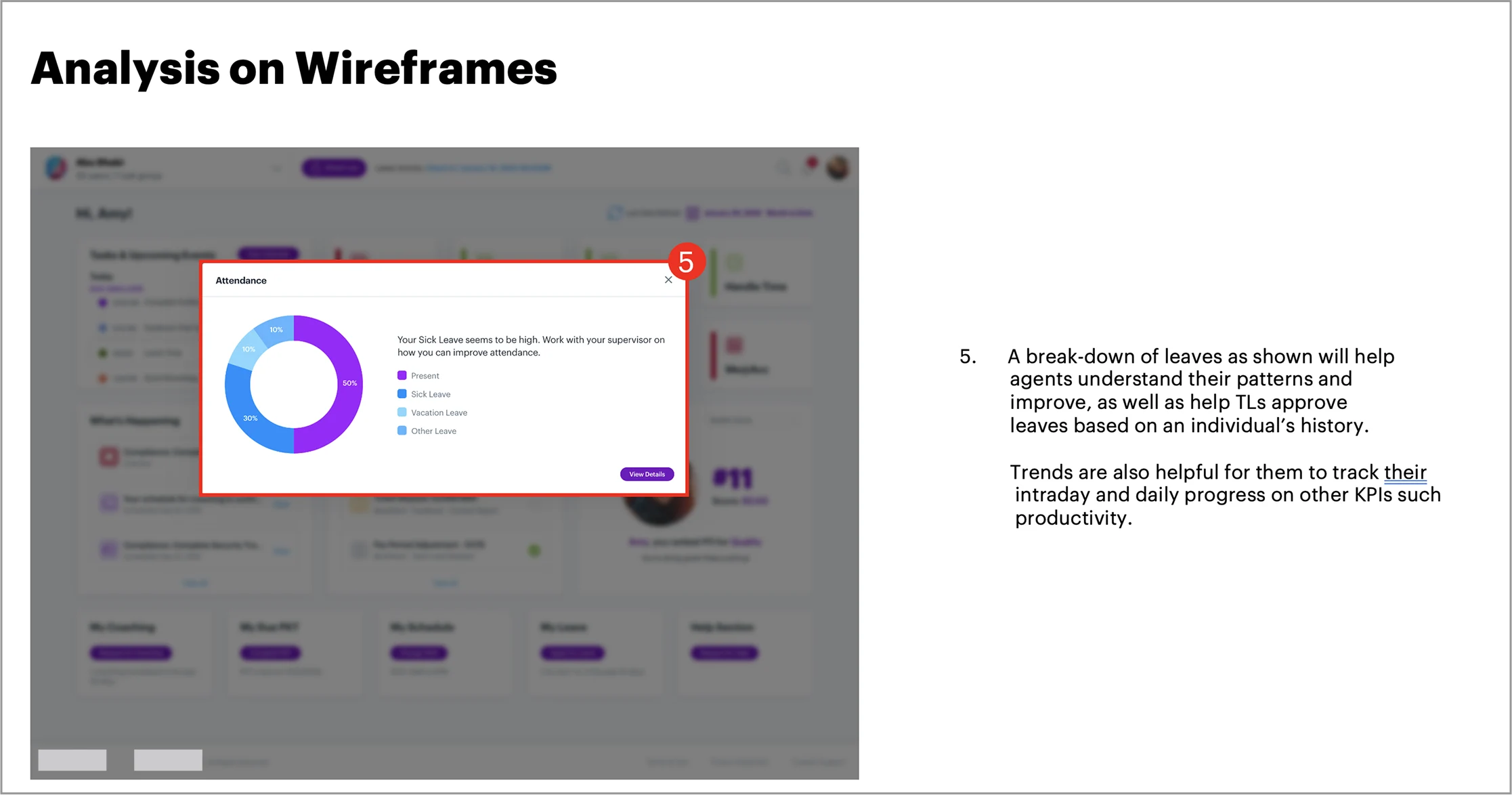
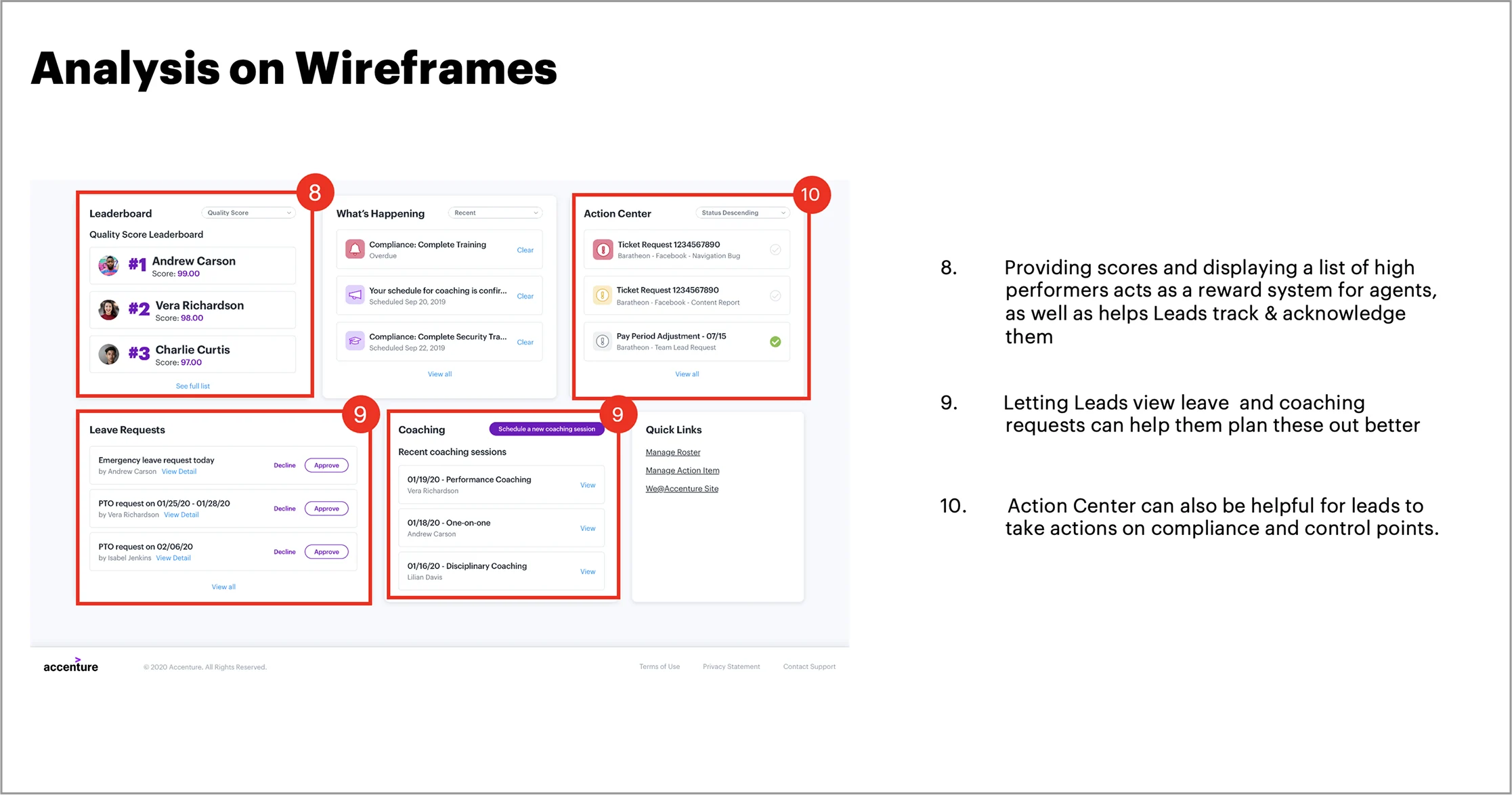
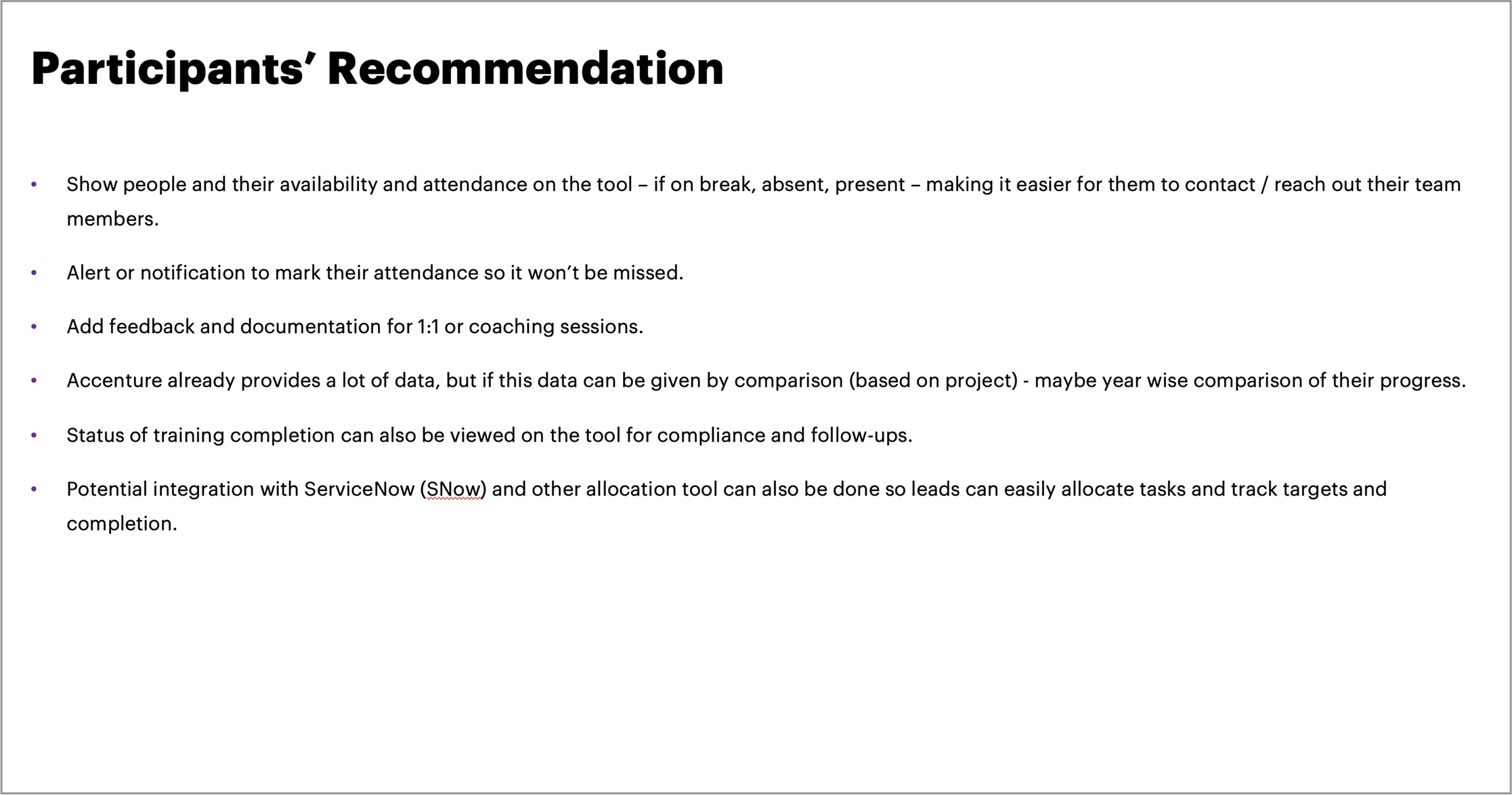
Feedback from the think-aloud sessions was incorporated into the designs, and our UI designer developed the final screens. Once the high-fidelity prototype was ready, we conducted moderated Usability Testing to validate the design solutions and ensure they met user needs before handing them off to the development team.
Method 4: Usability Testing
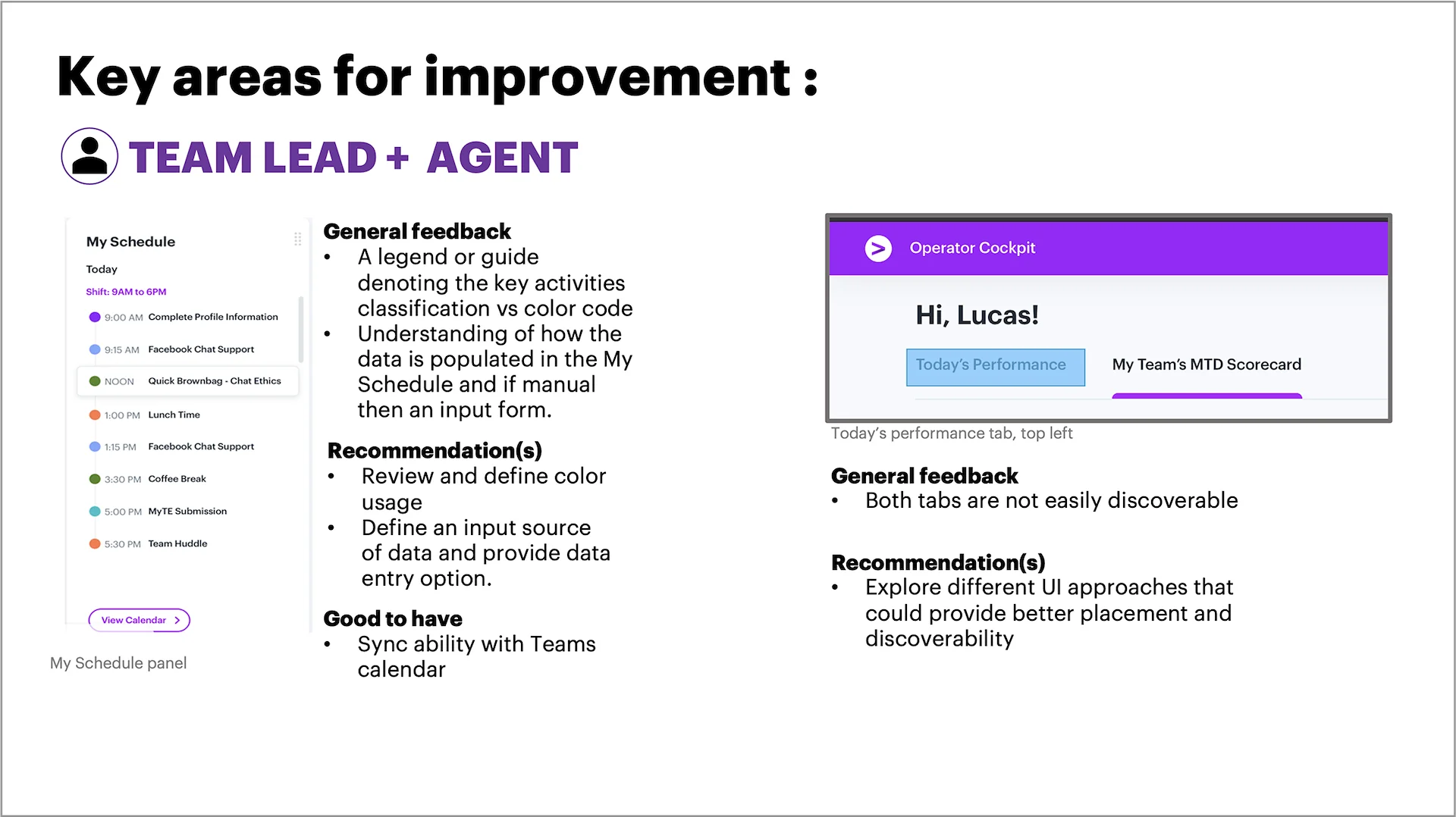
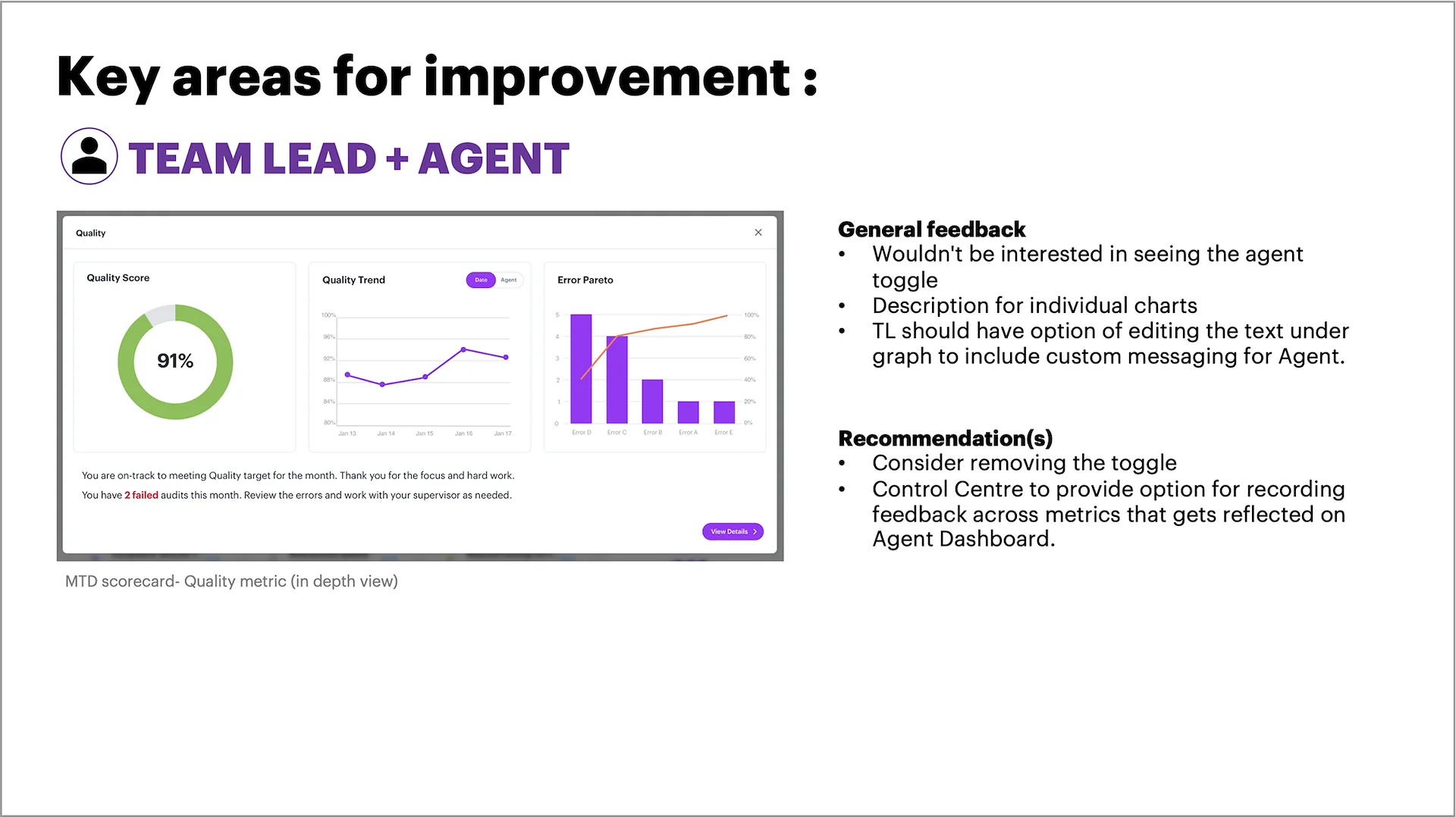
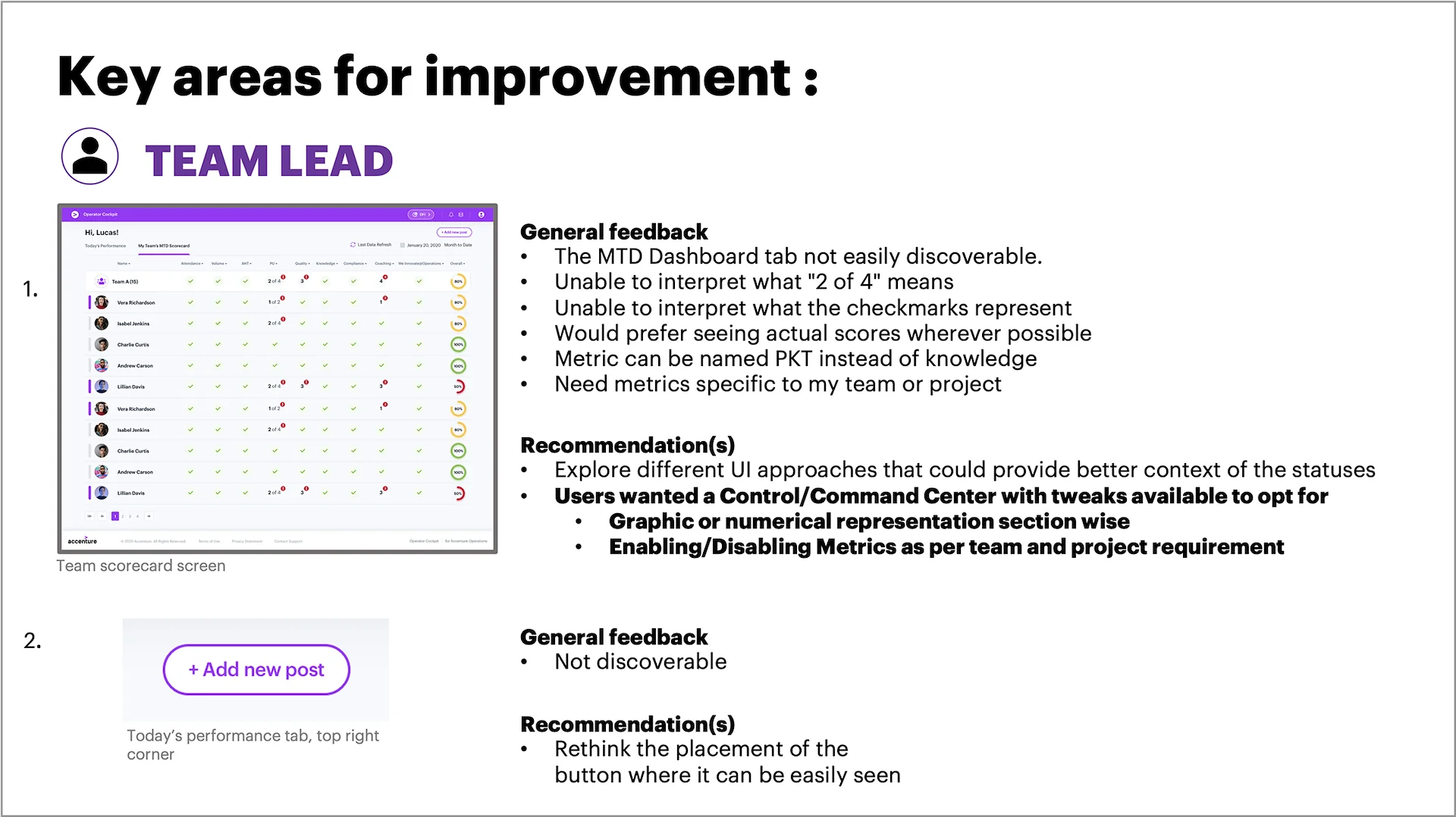
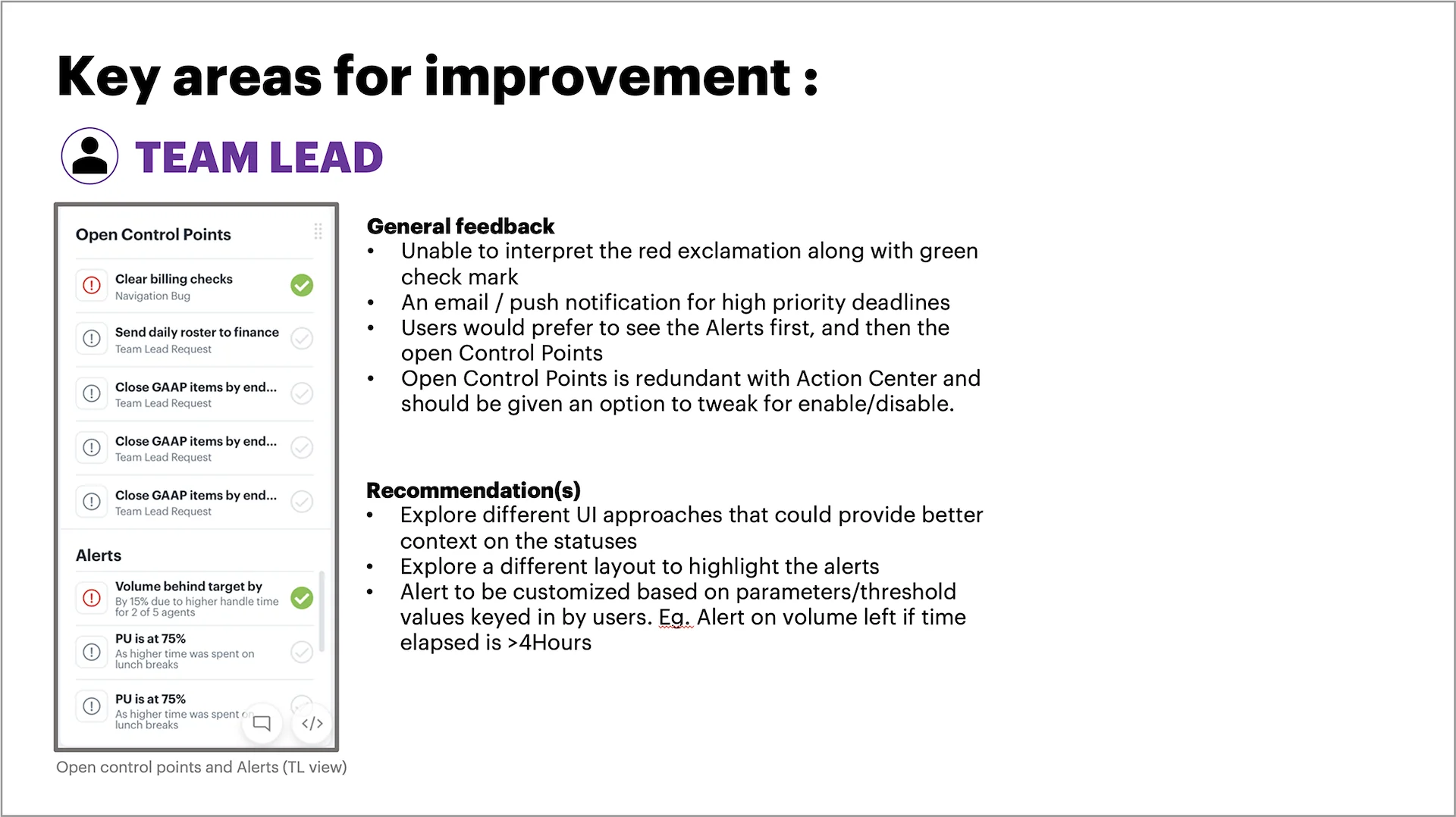
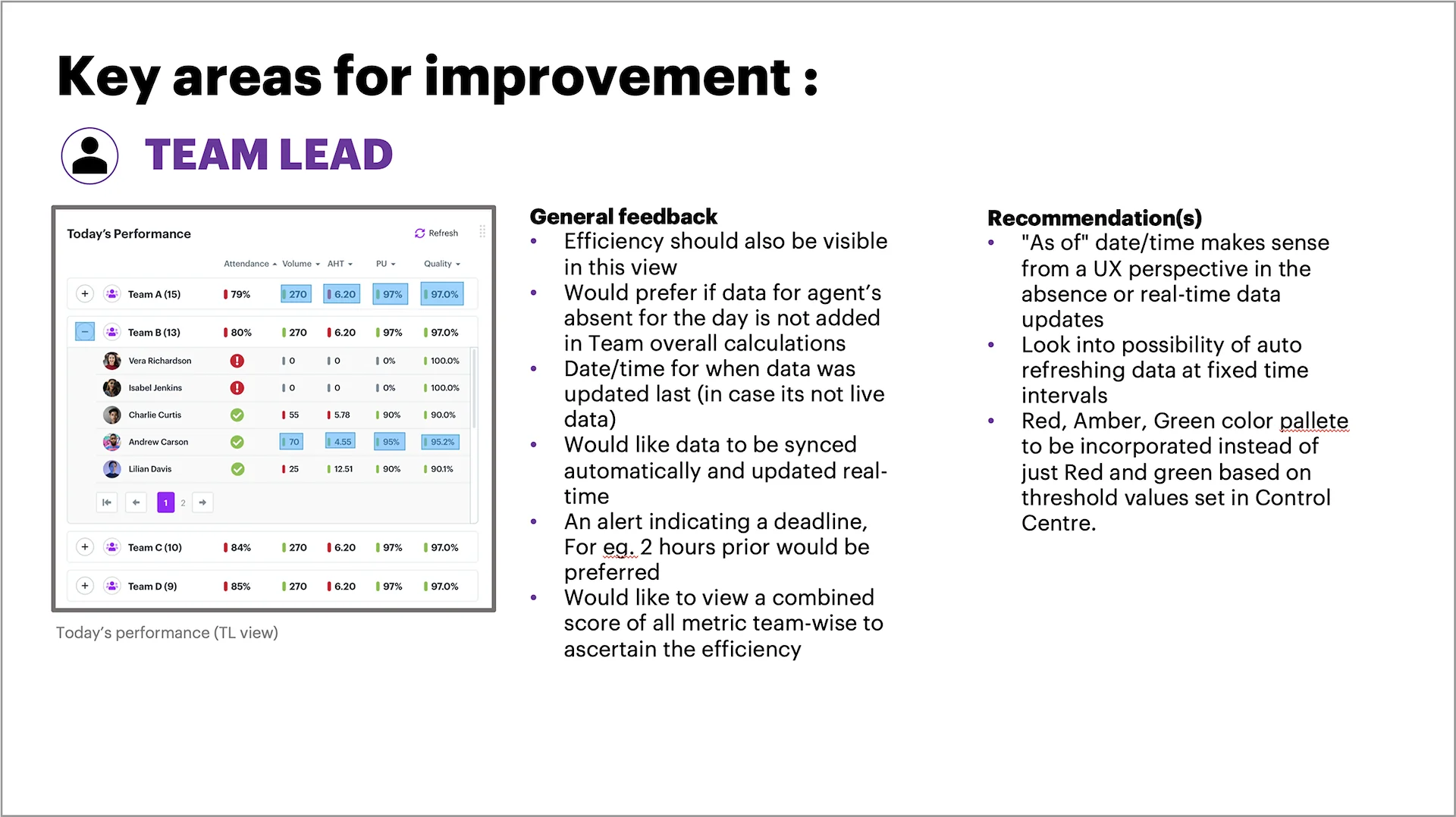
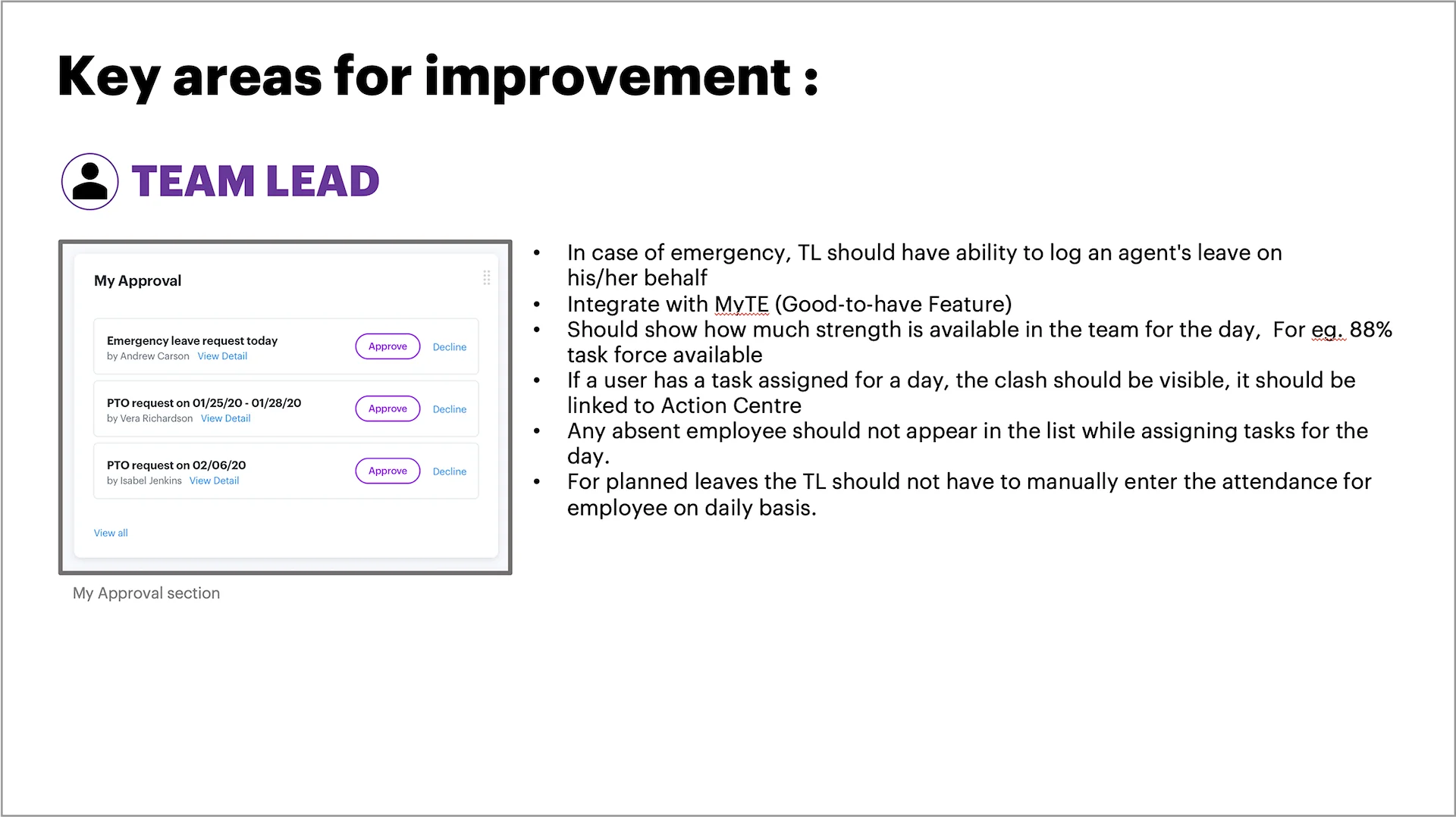
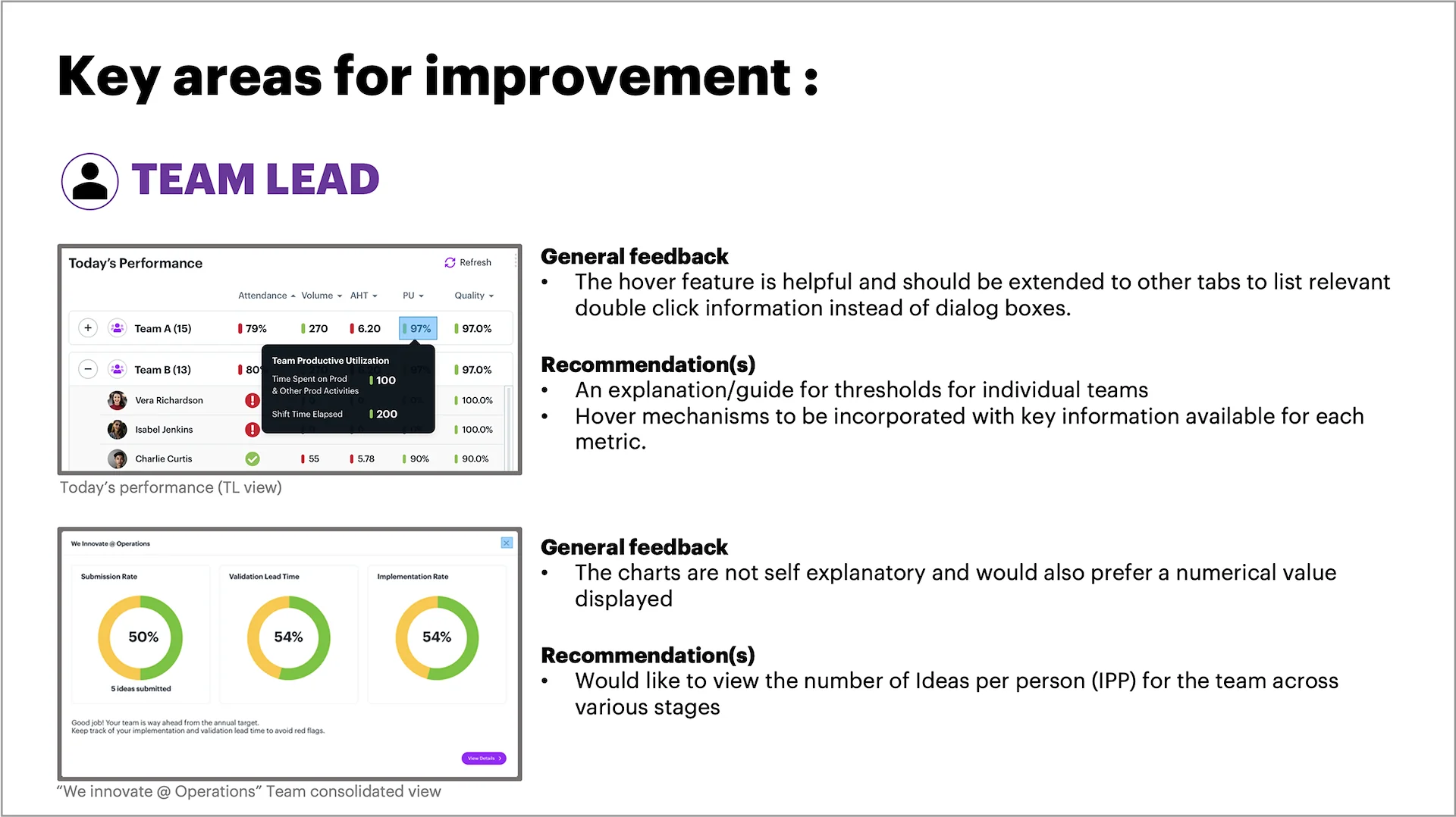
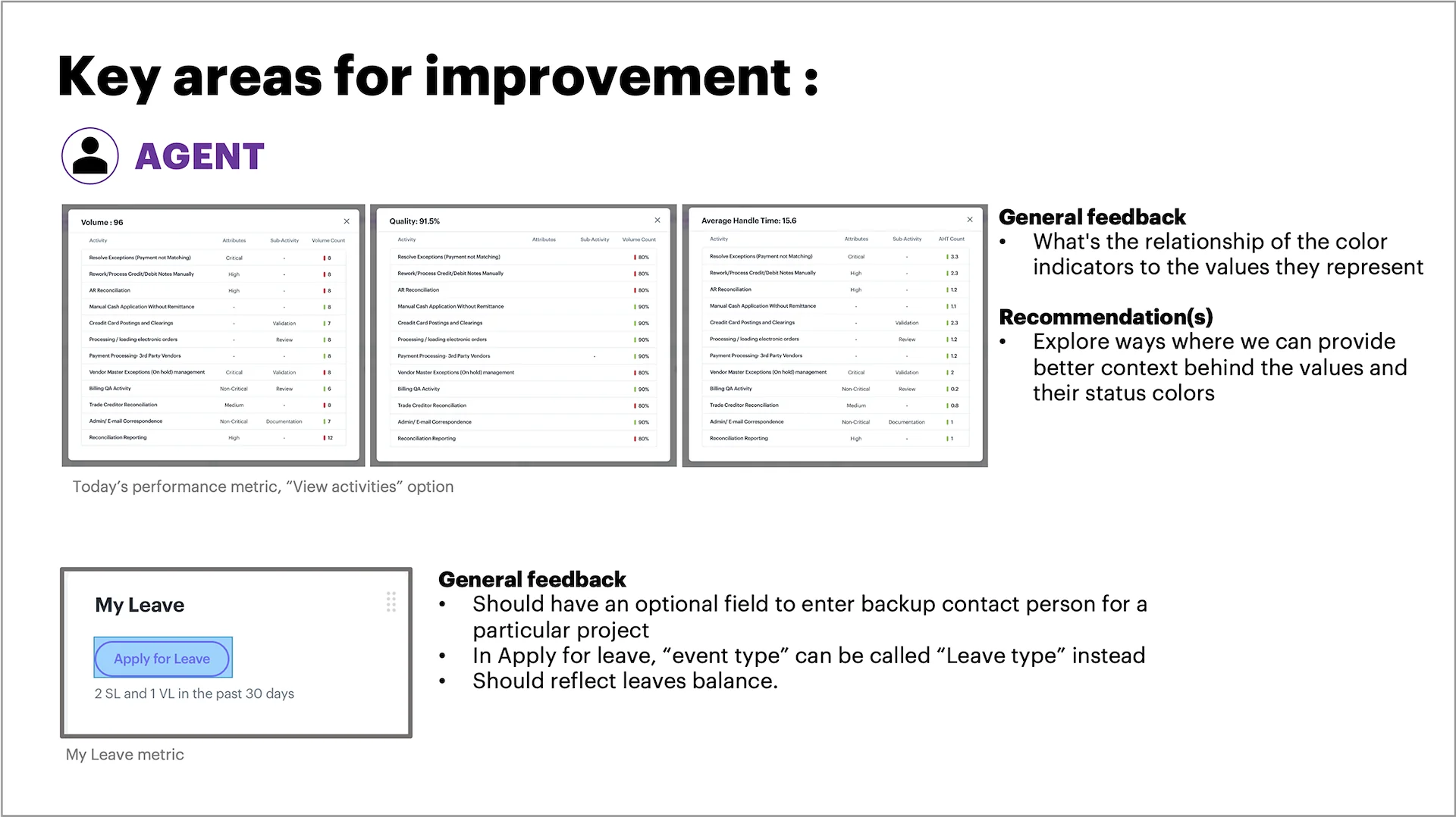
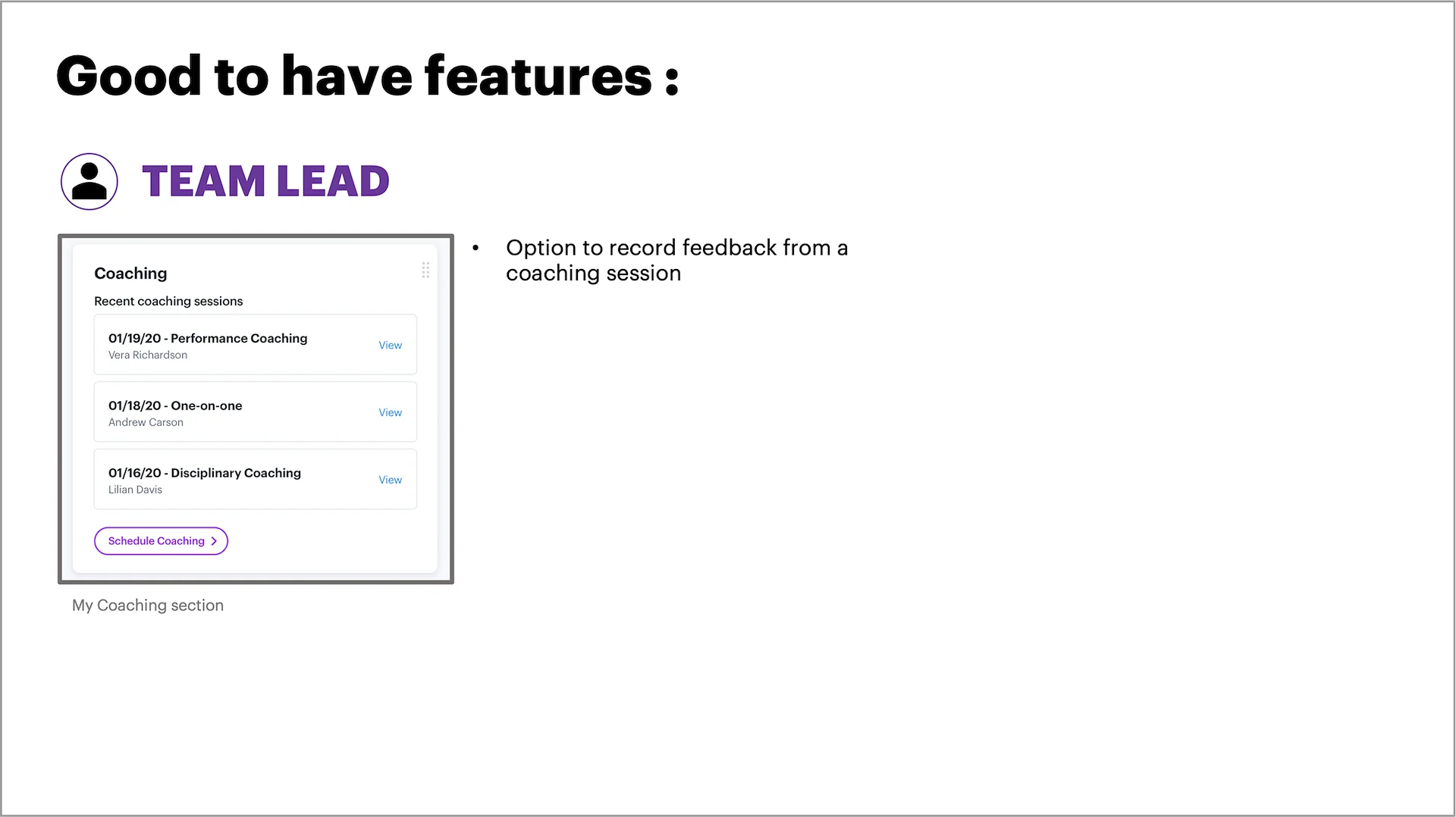
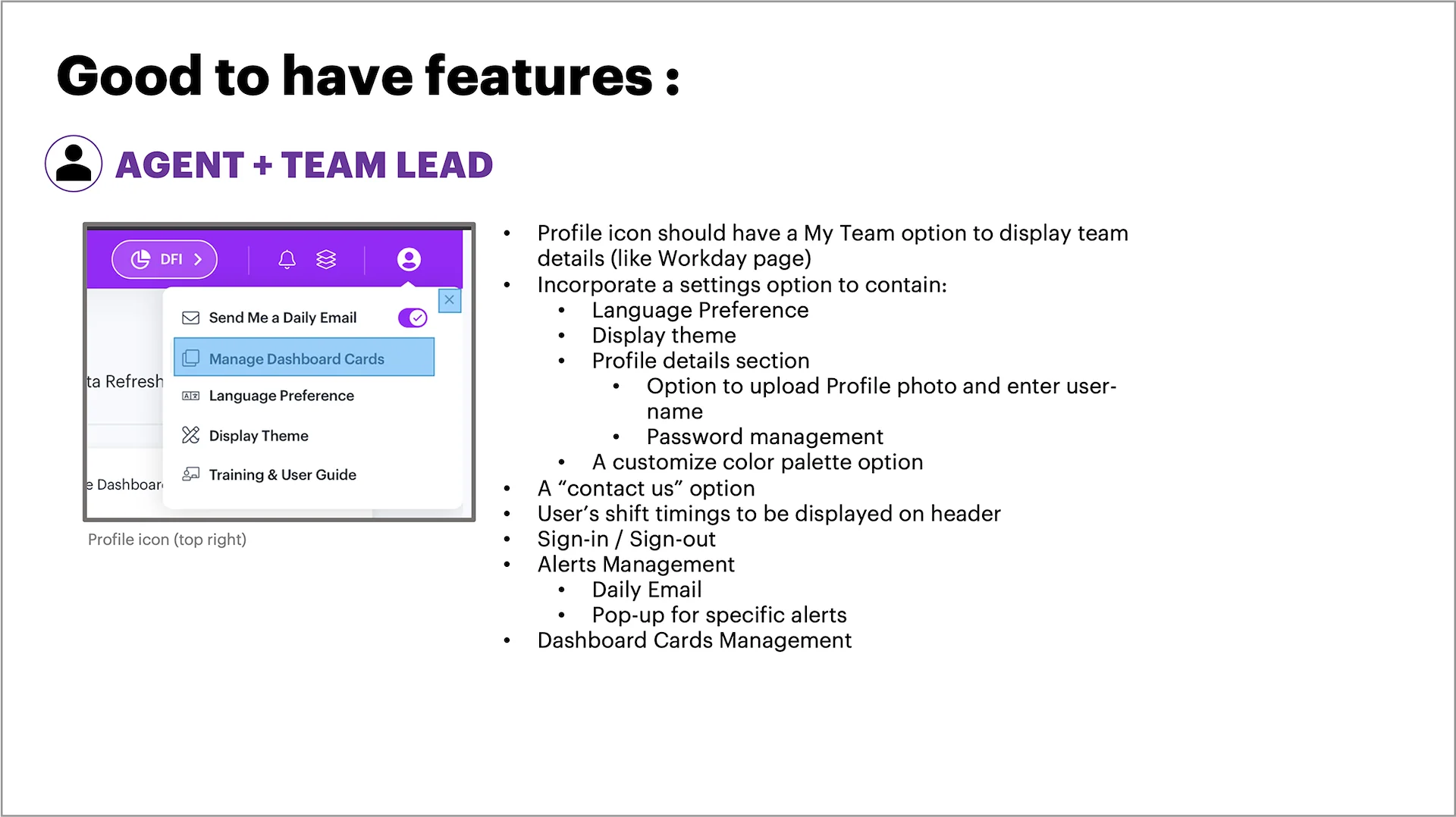
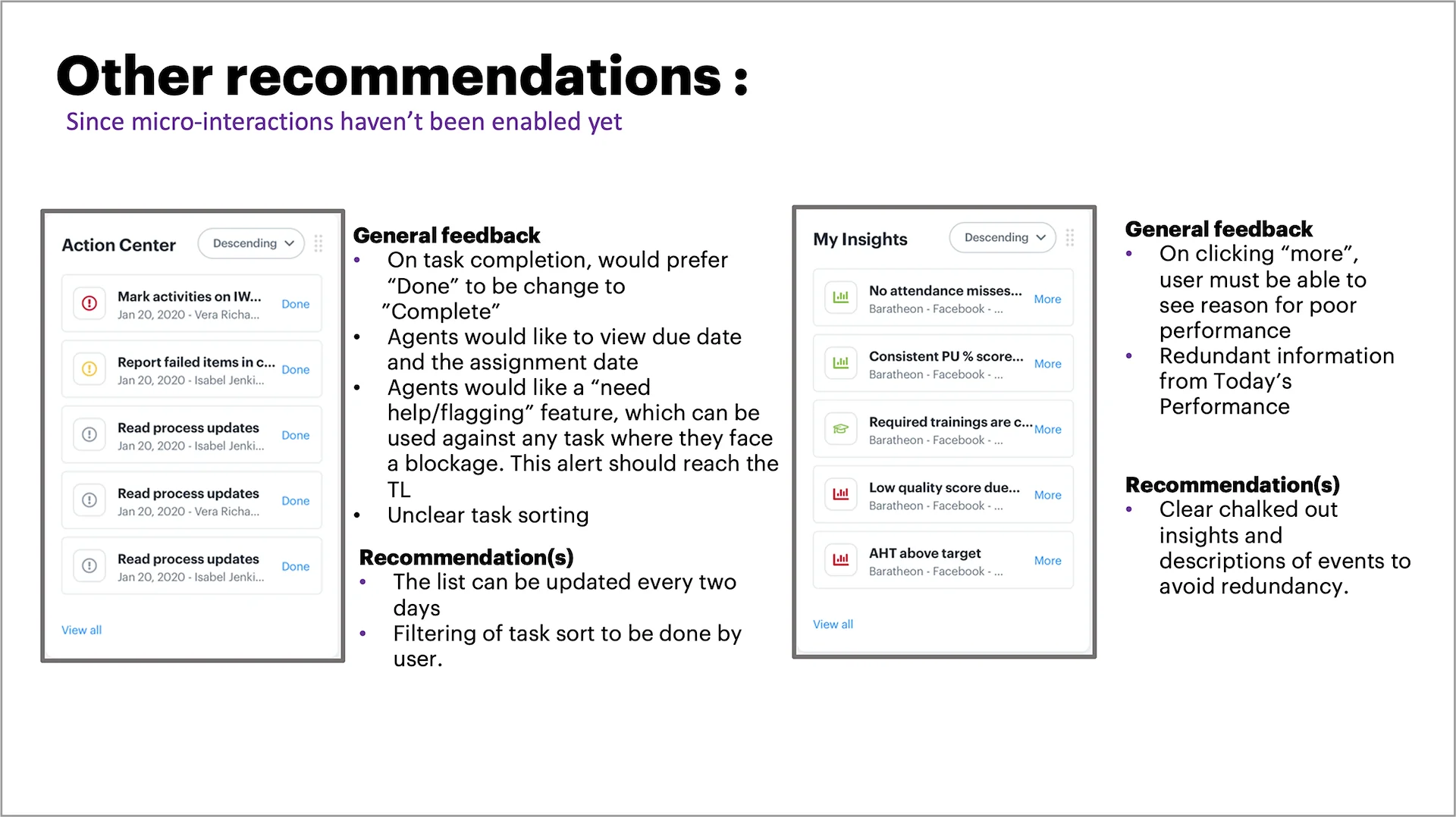
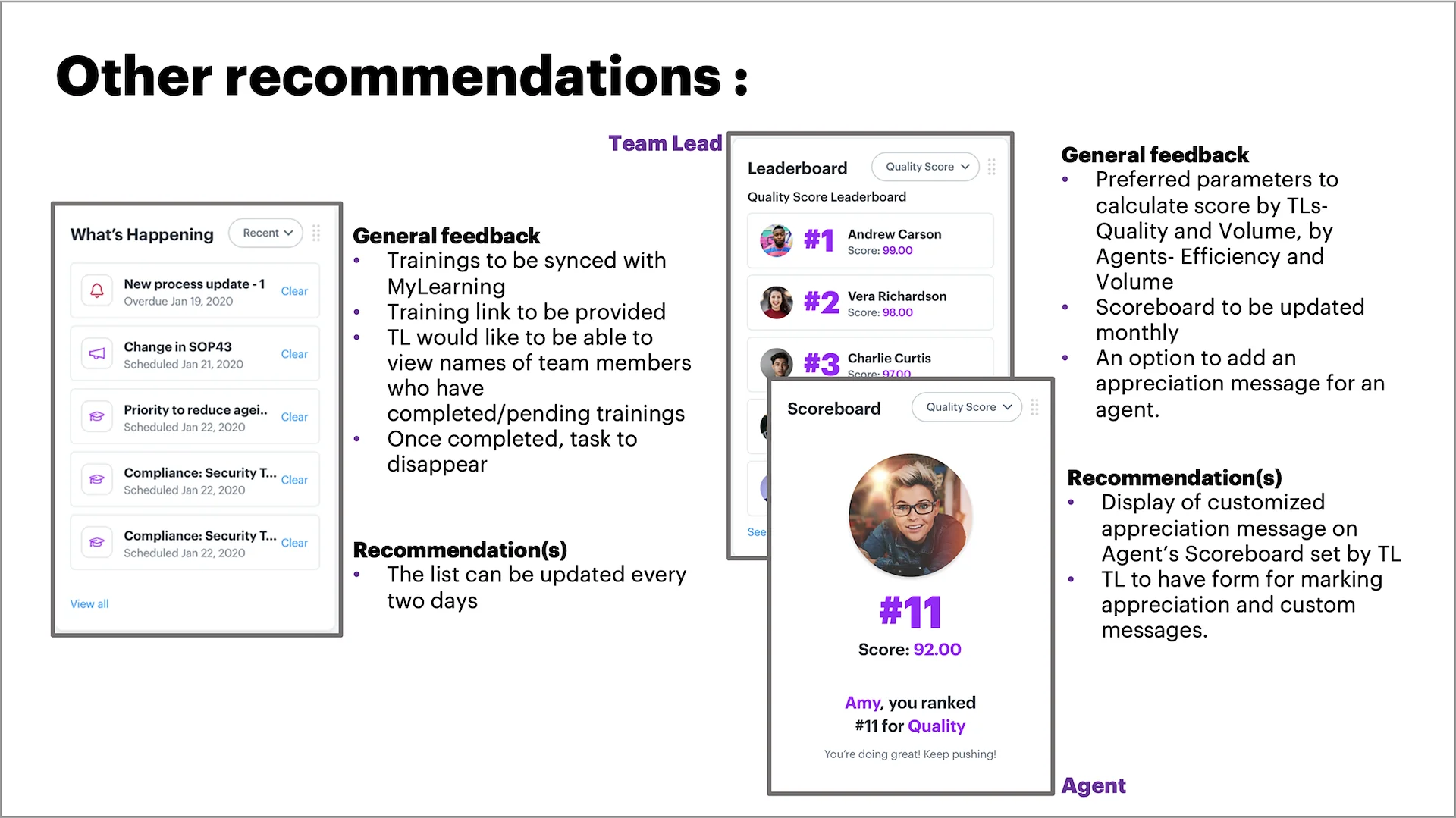
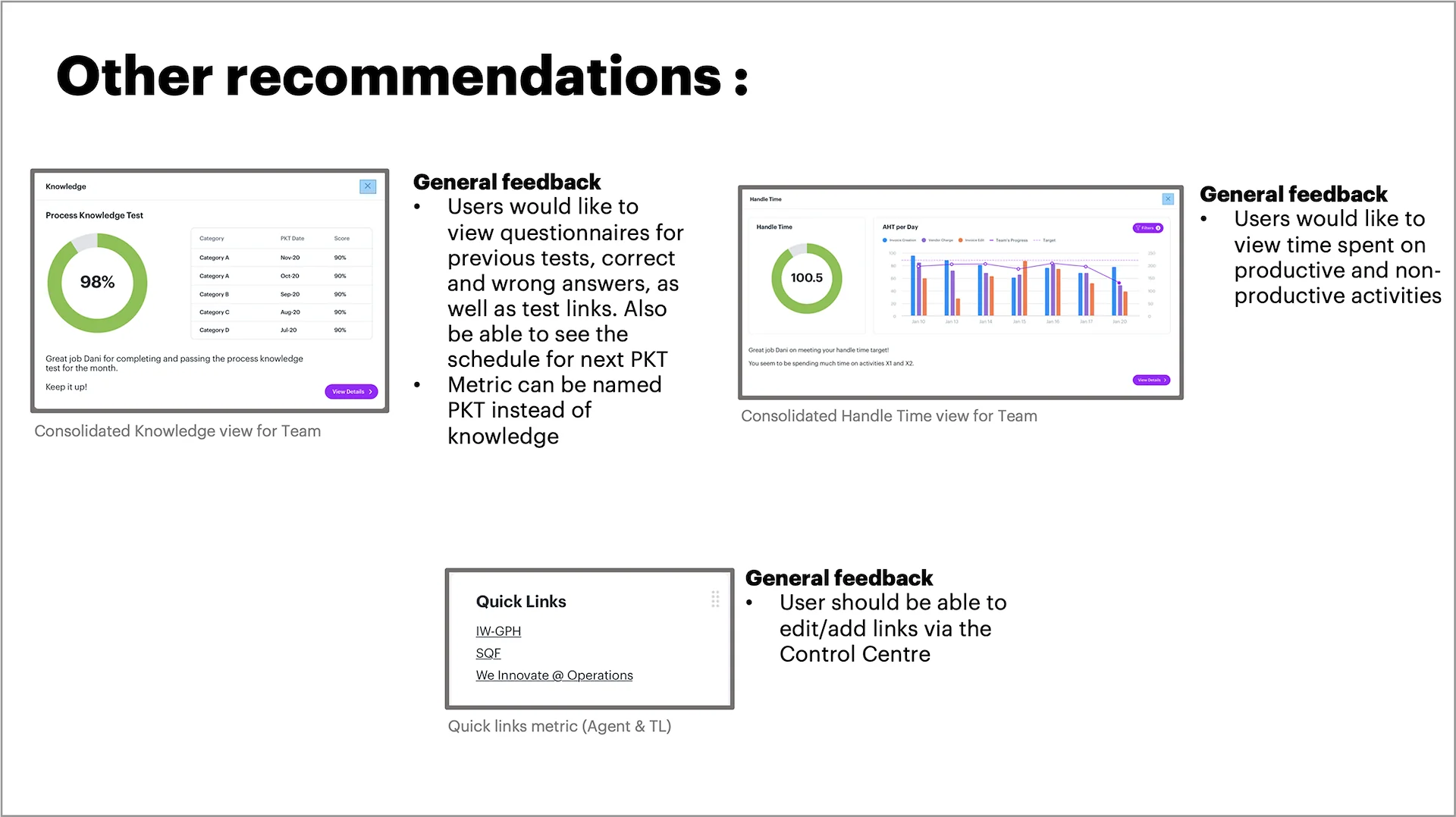
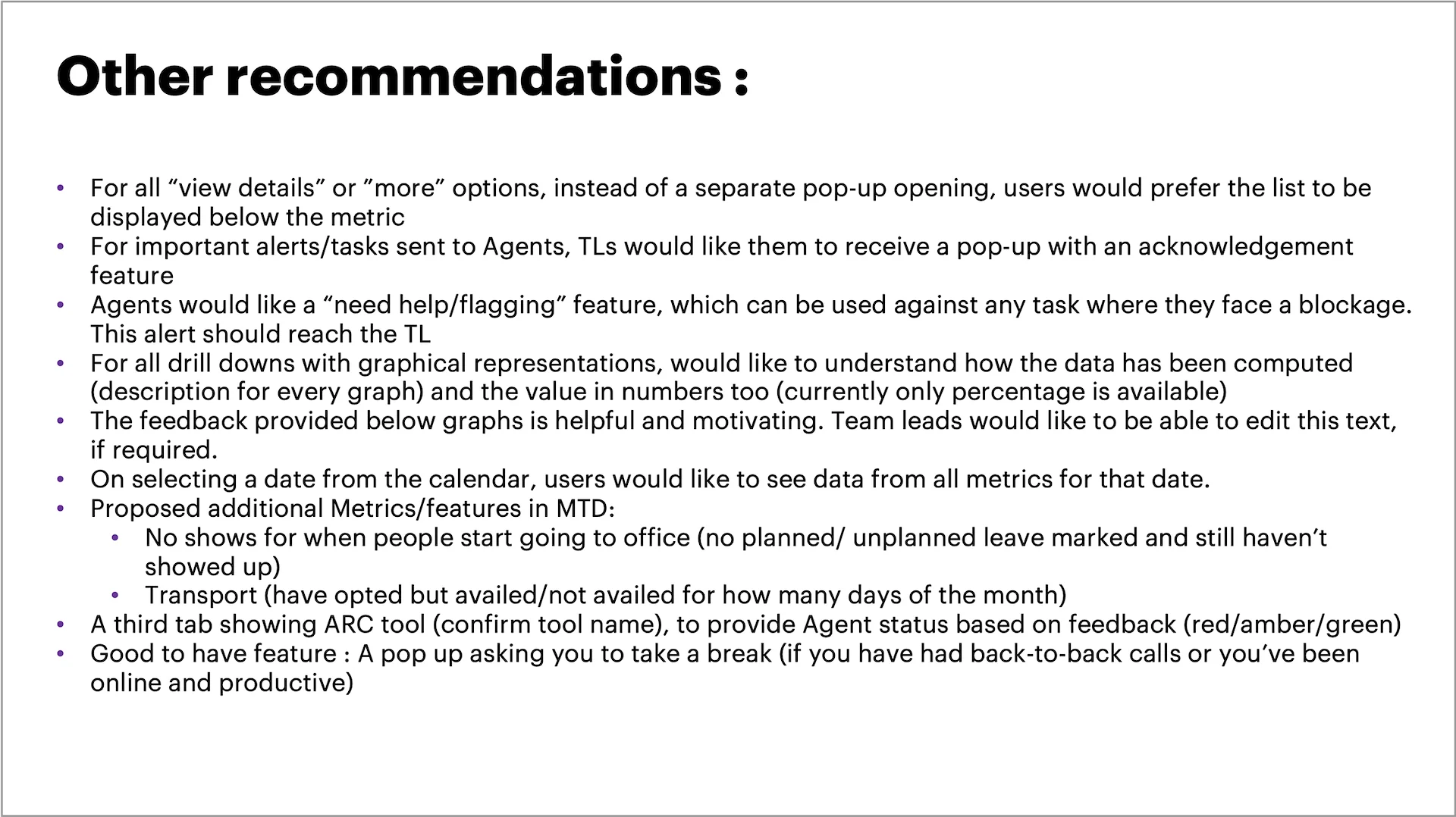
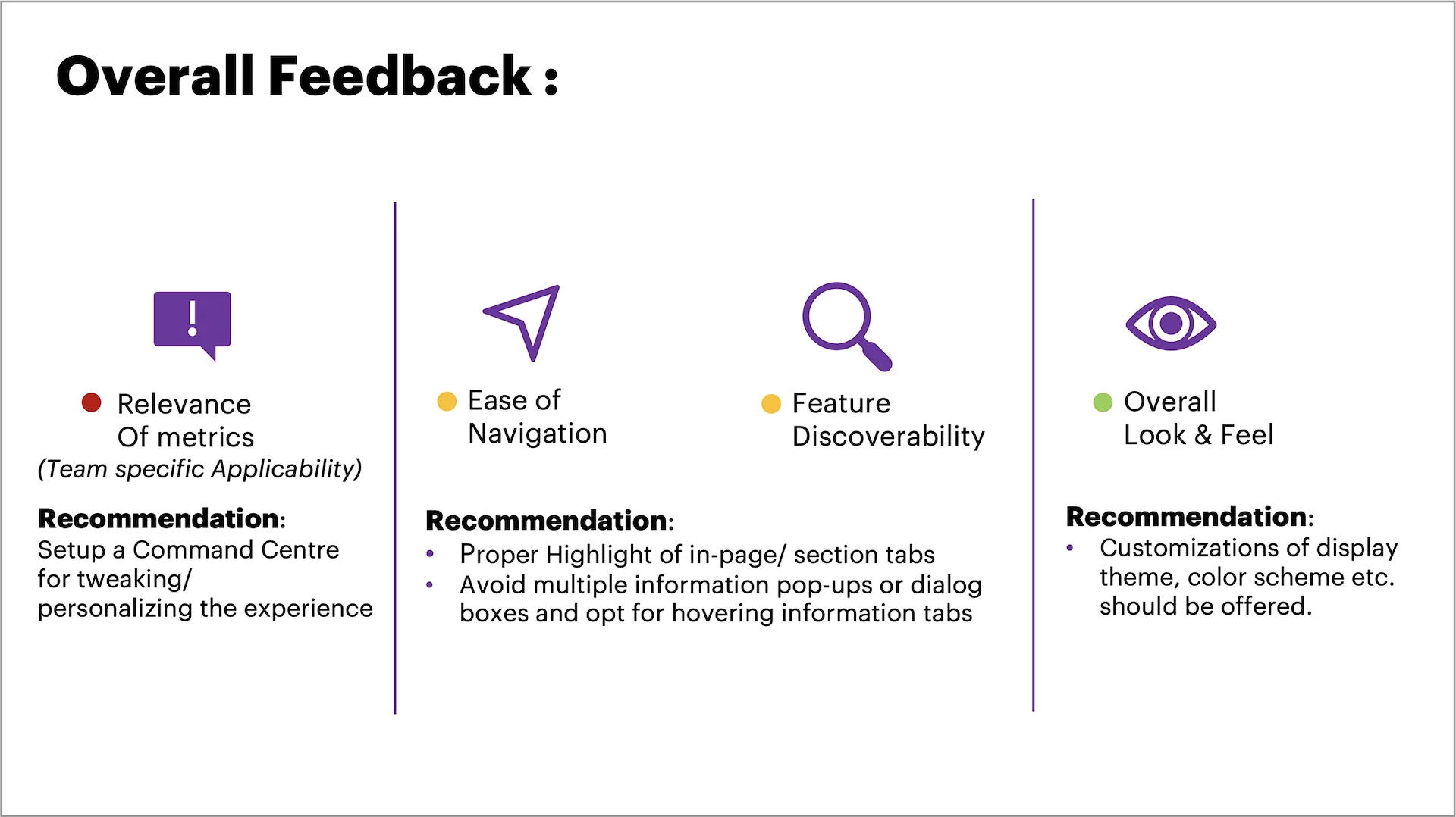
Once the final UI screens were ready, we conducted moderated Usability Testing with participants to evaluate the effectiveness of the designs. A set of tasks was carefully crafted to ensure coverage of all key features. Session invites were shared in advance, and the testing was carried out remotely via Microsoft Teams, allowing us to observe user interactions and gather detailed feedback in real time.
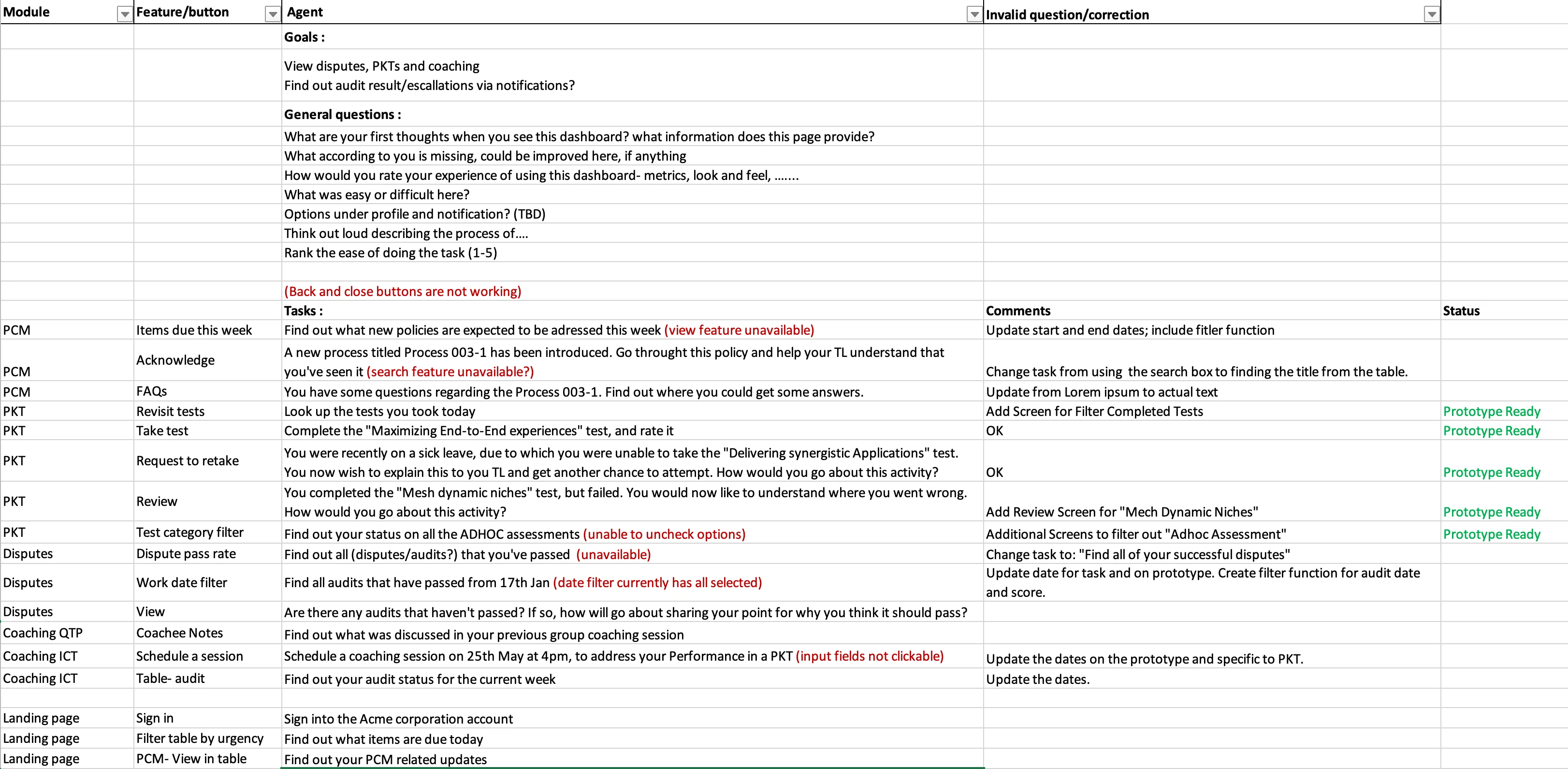
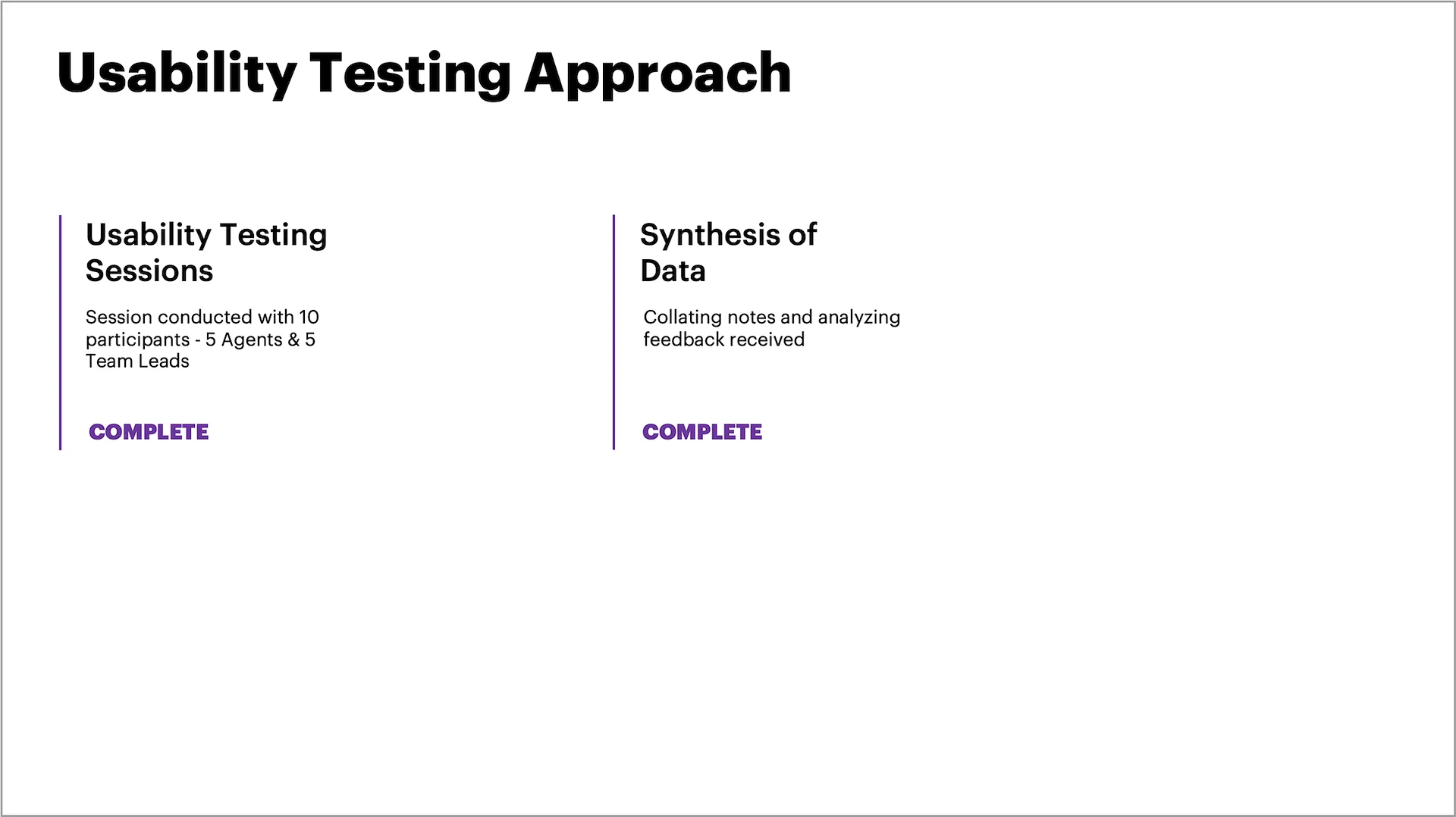
After completing all usability testing sessions, we compiled a detailed usability testing report outlining key findings, user feedback, and identified usability issues. This report was shared with stakeholders to facilitate discussions around which features to address immediately and which could be considered for future development phases.
Key Takeaways
1. The importance of involving users early
This project reinforced the value of engaging users early in the process. User interviews helped us uncover insights we wouldn’t have identified through assumptions or stakeholder input alone.
2. Think-aloud methods can surface usability issues informally
Even though our initial usability feedback was collected through informal think-aloud sessions, it provided rich insights that significantly shaped our wireframes.
3. Planning research logistics takes effort but pays off
I did this project when I was still early in my UX career, and I gained practical experience in coordinating participant schedules, drafting interview guides, and managing remote sessions, which are all key to running smooth research.
4. Real users reveal unexpected behaviours
Despite our assumptions, some users approached tasks in completely unexpected ways, which helped us rethink our design logic and simplify key flows.